Admin
Admin
by Emmanuel Garjiek
On World Water Day, Germany renewed its commitment to improving safe drinking water and sanitation in South Sudan, a country grappling with humanitarian crises and development challenges.
Through the Deutsche Gesellschaft für Internationale Zusammenarbeit (GIZ), Germany is supporting wide-ranging water and sanitation projects designed to strengthen public health, build local institutions, and enhance community resilience.
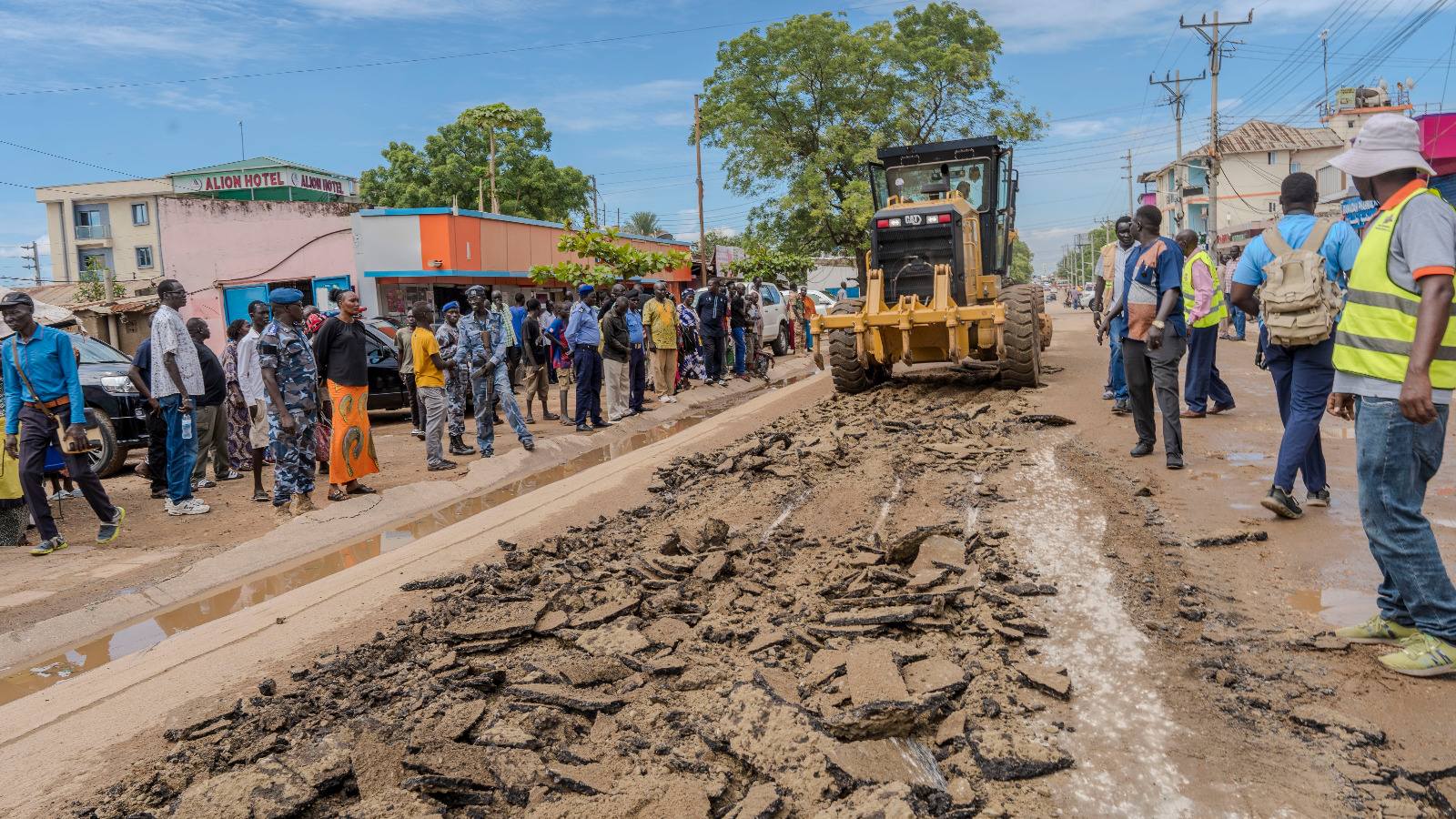
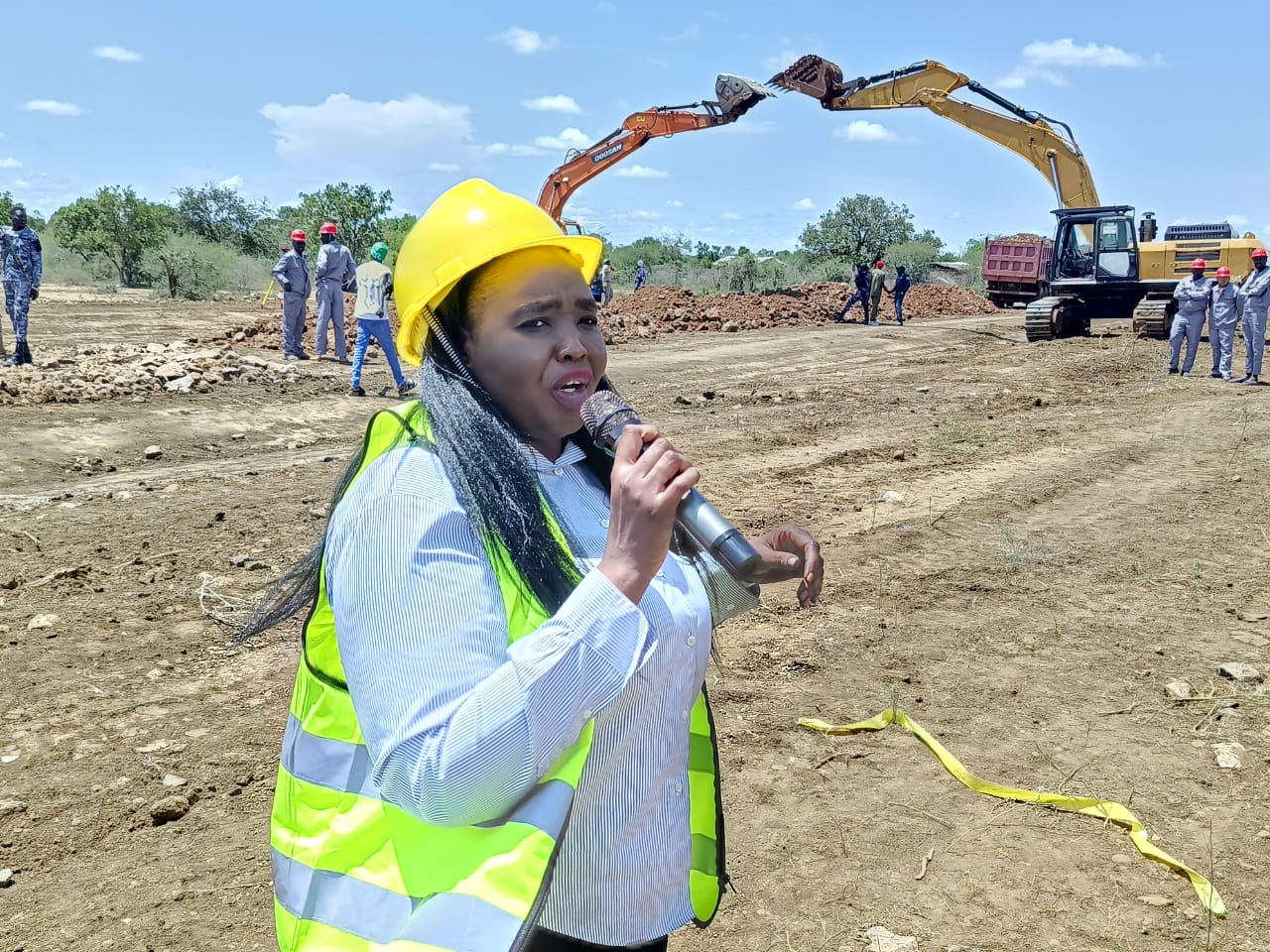
The initiatives include rehabilitating and expanding urban water systems in Juba, Torit, Yei, and Yambio, as well as developing community-managed facilities in rural areas such as Yambio, Nzara, and Aweil County. These efforts are providing clean water to hundreds of thousands of people, including displaced and vulnerable populations.
A key element of GIZ’s work is institutional capacity-building. The agency partners with national and local water authorities to improve governance, operations, and maintenance of water services. It also supports training programs at the Don Bosco Vocational Training Centre, which equips youth with technical skills in waterworks to address the shortage of qualified personnel in the sector.
Recent projects include the drilling and rehabilitation of boreholes in Northern Bahr el Ghazal and Western Equatoria, alongside training communities in water catchment management, hygiene, and integrated resource management. Farmers have also benefited from irrigation pumps that boosted productivity.
Germany’s long-term investment, implemented through GIZ and KfW in collaboration with UNICEF, WFP, ICRC, and other partners, aims to ensure sustainable water services that improve livelihoods, nutrition, food security, and local economic development.