Admin
Admin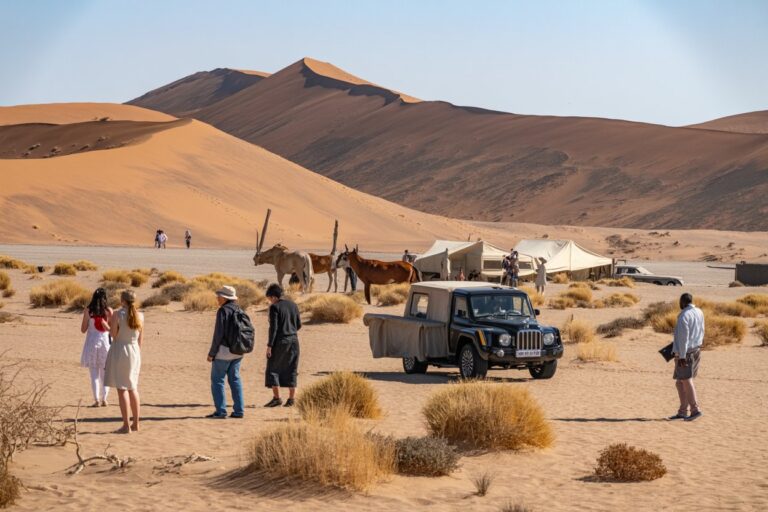
Published: Emmanuel Garjiek
Africa is rapidly consolidating its position as one of the world’s fastest-growing tourism regions, with Morocco joining Uganda, Egypt, Nigeria, South Africa, Tanzania, Ethiopia, Zambia and others in recording strong surges in tourist arrivals and revenue this year.
The continent’s growth is being driven by its rich cultural heritage, diverse natural attractions, improved air connectivity, and significant investments in tourism infrastructure. From historic cities in North Africa to wildlife destinations in East and Southern Africa, countries across the region are posting remarkable performance indicators that highlight Africa’s expanding global tourism influence.
Egypt: Cultural and Coastal Strength
Egypt recorded 21% growth in international arrivals in 2025. The rebound of Nile cruises, strong demand for Red Sea resorts in Sharm El Sheikh and Hurghada, and the enduring appeal of ancient landmarks such as the Pyramids of Giza have strengthened Egypt’s position as a top African destination.

Ethiopia: Heritage and Resilience
Ethiopia posted an 18% rise in visitor arrivals, fueled by its UNESCO-listed rock-hewn churches in Lalibela and improved connectivity through Ethiopian Airlines. Renewed focus on heritage tourism and cultural preservation has elevated Ethiopia’s global profile.
South Africa: Nature Meets Urban Tourism
South Africa saw 17% growth driven by safari tourism in Kruger National Park and the continued popularity of Cape Town. A mix of regional travel and long-haul arrivals is boosting the sector as the country blends wildlife, adventure and vibrant urban culture.
Morocco: Infrastructure and Culture
Morocco achieved a 14% increase in international arrivals, supported by major investments in hotels, transport infrastructure and air links. Its historic cities—Marrakech, Fez and others—remain magnets for cultural travelers. Preparations for the 2030 FIFA World Cup are also driving tourism expansion.
Tanzania: High-End Safari and Beach Tourism
With 10.9% growth, Tanzania continues to shine as a luxury safari destination. The Serengeti National Park and the Great Migration remain top global attractions, complemented by Zanzibar’s iconic beaches and cultural sites.
Tunisia: Mediterranean Recovery
Tunisia registered an 18% rise between January and September, supported by its Mediterranean coastline, historic sites such as Carthage, and targeted marketing campaigns promoting culture, beaches and desert landscapes.
Nigeria: Diaspora and Business Travel

Nigeria posted 12–15% growth, driven largely by business tourism in Lagos and Abuja, as well as increasing travel by the Nigerian diaspora. Its vibrant cultural and creative industries continue to enhance its international appeal.
Uganda: Rising Eco-Tourism Star
Uganda recorded a 13.3% increase in tourism receipts, boosted by high-value gorilla trekking experiences in Bwindi Impenetrable Forest and the country’s growing reputation for adventure and eco-tourism.
Zambia: Adventure and Cultural Tourism
Zambia’s tourism momentum is being propelled by its proximity to Victoria Falls, adventure activities, and new cultural events such as the Africa Bike Culture Festival. The country is poised for one of its best years on record.
Conclusion
Africa’s tourism surge in 2025 underscores the continent’s growing share in the global travel market. With continued investment, improved connectivity, and a focus on unique cultural and natural attractions, African destinations are expected to maintain strong growth and expand their global tourism influence in the years ahead.



 Arop
Arop