Admin
Admin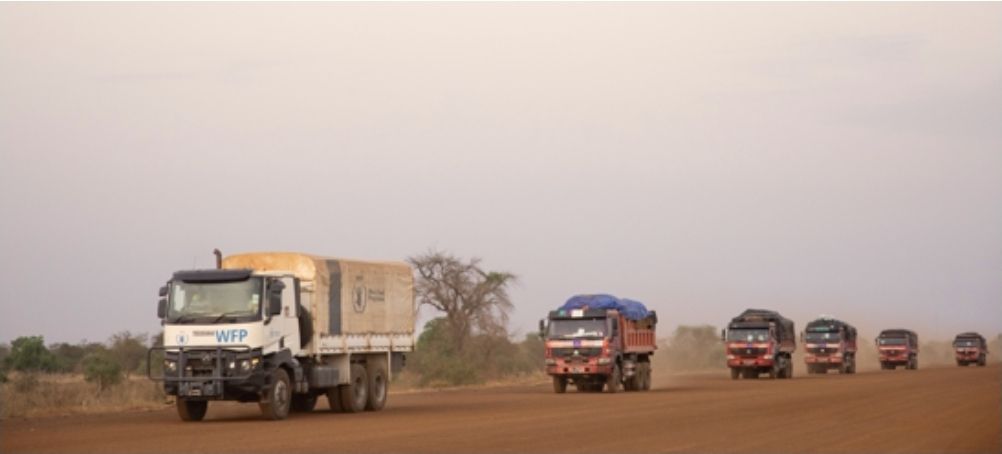
Juba — 30 January 2026
The United Nations World Food Programme (WFP) has called on all parties to the conflict in the Republic of South Sudan to immediately halt military operations, de-escalate tensions, and ensure humanitarian assistance reaches those in need safely and without obstruction, amid rapidly deteriorating conditions in Jonglei State.
In a press statement released on Friday, the WFP warned that the expanding conflict in Jonglei risks forcing large numbers of people—estimated at around two million—to flee their homes in search of safety and food. The statement also highlighted that nearly 60 percent of the state’s population could face critical levels of food insecurity during the upcoming lean season, the period when hunger typically peaks.
Adham Afandi, Acting Country Director of the WFP in South Sudan, said:
“This military escalation comes at an extremely dangerous time, as the window for reaching the most vulnerable is rapidly closing. Immediate action is required, and we urge all parties to protect civilians and humanitarian workers, and to allow life-saving assistance to reach those in need without delay.”
The WFP emphasized that pre-positioning food and essential supplies starting in February is crucial, particularly with the lean season from April to July approaching, when heavy rains make main roadways impassable, complicating access to the women, men, and children most in need.
The statement noted that the WFP-led logistics cluster, together with the United Nations Humanitarian Air Service (UNHAS), has so far not received the necessary authorizations from the relevant authorities to coordinate overland convoys and passenger flights for humanitarian purposes, hindering the response effort.
The WFP warned that if urgent action is not taken to address these restrictions, entire communities could be denied access to the basic assistance that is their lifeline.
Afandi added:
“It is essential that these restrictions be lifted immediately to ensure effective and unobstructed delivery of humanitarian aid. With safe corridors, the WFP has the capacity and personnel to reach the most vulnerable households, upon which hundreds of thousands of lives depend.”
The WFP reaffirmed its commitment to continuing humanitarian efforts, noting that in 2026 it aims to reach approximately 3.3 million women, men, and children across South Sudan through life-saving emergency food assistance, nutrition programs, school meals, resilience-building initiatives, and cash assistance, despite increasing security and logistical challenges.