Admin
Admin
Juba – Al Wadi Newspaper
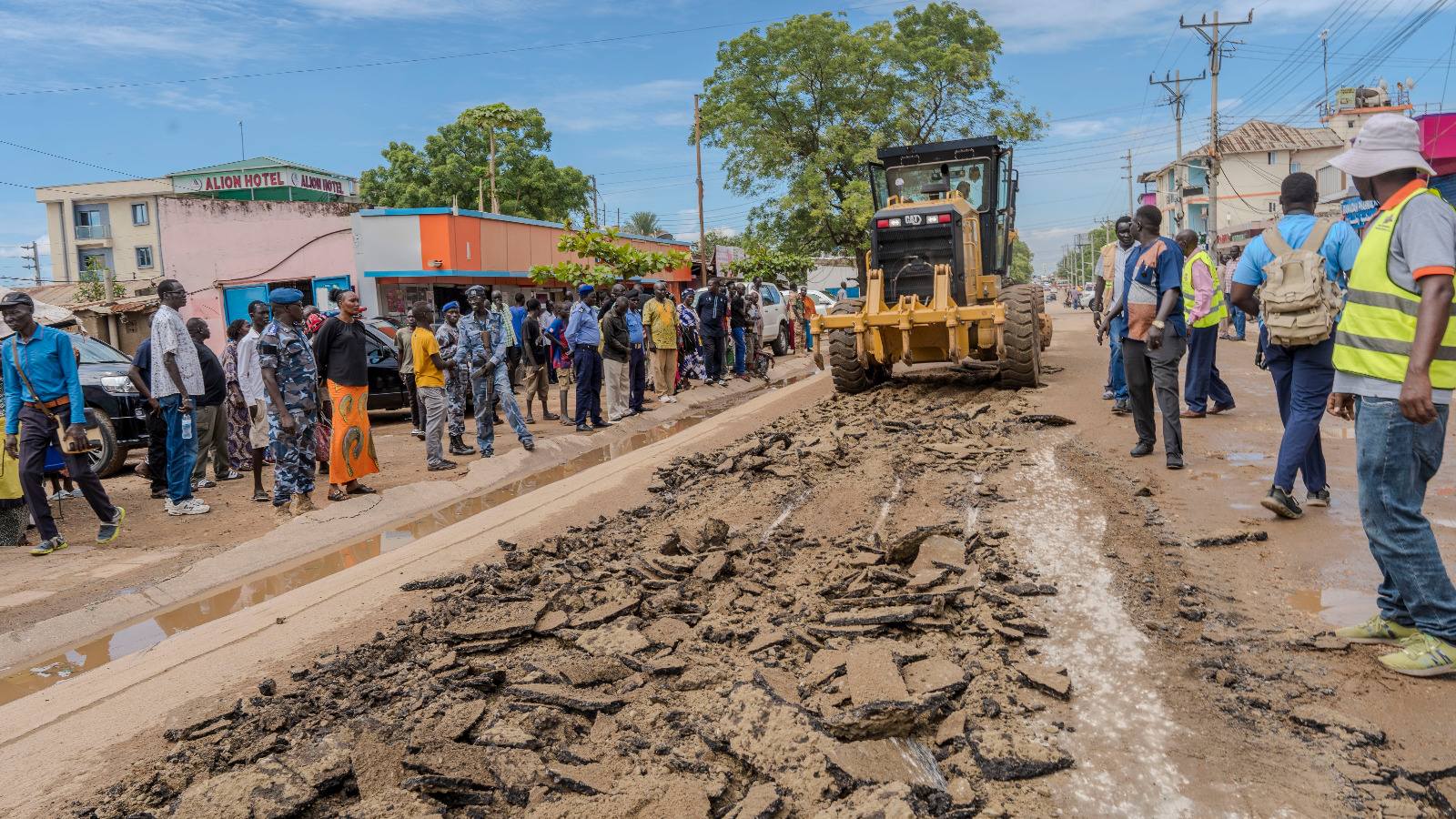
The United Nations Office for the Coordination of Humanitarian Affairs (OCHA) has revealed that massive floods sweeping across South Sudan have affected more than one million people nationwide, causing extensive damage to homes, farmland, and vital infrastructure.
In a report released over the weekend, OCHA stated that approximately 1,024,500 people have been impacted across 29 counties in six states, with Jonglei and Unity States accounting for about 87% of all those affected.
The report added that the floods have displaced over 355,000 people in 18 counties, with many moving to higher ground to escape the rising waters. Jonglei State recorded the highest number of affected individuals — around 631,789 people — followed by Unity State with 256,102 people, while the remainder are spread across Upper Nile, Central Equatoria, Western Equatoria, and Warrap States.
According to OCHA, humanitarian partners have carried out rapid needs assessments in the Greater Pibor Administrative Area, particularly in Pibor, Gumuruk, and Likuangole, which have been among the hardest-hit areas.
The office highlighted that urgent humanitarian needs include food and livelihood support, health and nutrition services, water, sanitation and hygiene, shelter, non-food items, and protection services.
OCHA emphasized that the implementation of the humanitarian response plan requires US$58 million to assist around 870,000 flood-affected people through the Food Security and Livelihoods Cluster, aiming to restore livelihoods and provide essential assistance to vulnerable communities.
Meanwhile, the Commissioner of Baliet County reported that rising Nile River levels have destroyed more than 1,000 acres of farmland along the riverbanks. Authorities in Fashoda County also confirmed severe flooding affecting over 8,000 people (about 1,200 households).
These developments come as South Sudan faces an escalating humanitarian crisis, driven by ongoing conflict and acute food insecurity, further compounding the challenges of humanitarian response efforts.