Arop
Arop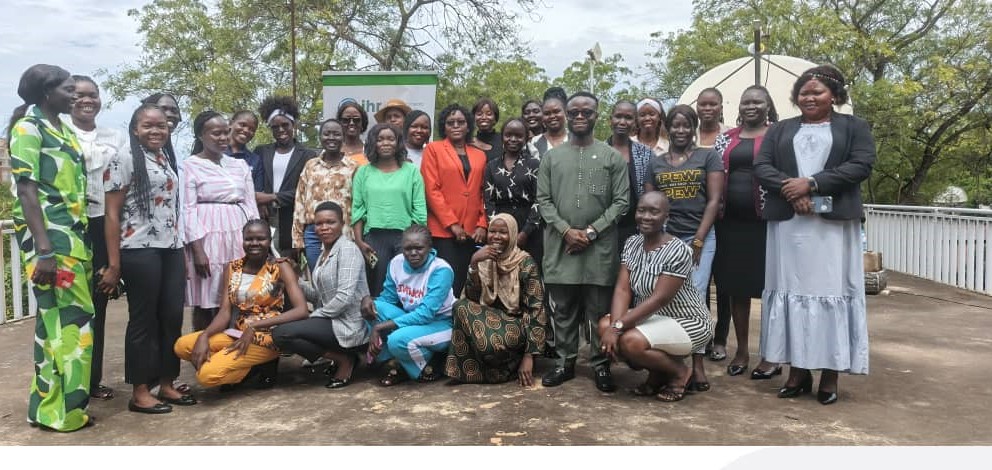
Juba – Al-Wadi Newspaper
Josephine Achiro, Chairperson of the Association for Media Development in South Sudan (AMDISS), has called on female journalists to adopt a more balanced and inclusive approach in their reporting by ensuring equal representation of both women’s and men’s voices, in line with the principles of gender-sensitive journalism.
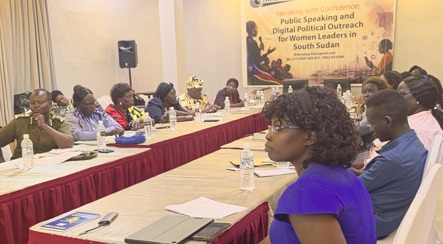
Achiro made the remarks during the opening of a two-day training workshop held in Juba on Thursday, which brought together female journalists from various media institutions. The workshop, organized by Journalists for Human Rights (JHR) in collaboration with Global Affairs Canada, aims to strengthen the capacity of female journalists to report in a way that reflects gender perspectives and ensures fair representation of women in media content.
“When we talk about conflict-sensitive and gender-sensitive reporting, we are not saying focus only on women’s stories,” Achiro emphasized. “What we mean is achieving balance—making sure everyone’s voice is heard.”
Describing the gathering as “a dream come true,” Achiro encouraged participants to challenge newsroom norms often dominated by men and actively create space for women’s voices in their coverage.
“If you notice that women’s voices are missing in your newsroom, don’t wait. Be proactive—bring new stories to the table that reflect reality and offer a balanced narrative,” she urged.
Mary Ajith, Program Manager at JHR South Sudan, highlighted the journalist’s role in driving change by covering stories that impact everyday lives. She noted that local issues such as school dropouts among girls or women struggling to support their families are powerful human-interest stories that deserve media attention.
“Journalism isn’t just about covering official events,” Ajith said. “It’s about telling the stories of real people. These stories can make a real difference if told well.”
Meanwhile, Mustapha Dumbuya, Director of African Programs at Journalists for Human Rights, commended the resilience of female journalists working in a male-dominated profession, stating that their work goes beyond journalism to amplify marginalized voices.
“Female journalists are uniquely positioned to tell women’s stories with depth and authenticity, because they experience many of these challenges themselves,” Dumbuya said.
The training workshop aims to equip South Sudanese female journalists with tools to produce more inclusive and equitable media content that challenges stereotypes about women and supports the creation of a more aware and equitable society.
#Photo: The Down Newspaper


 Admin
Admin