Admin
Admin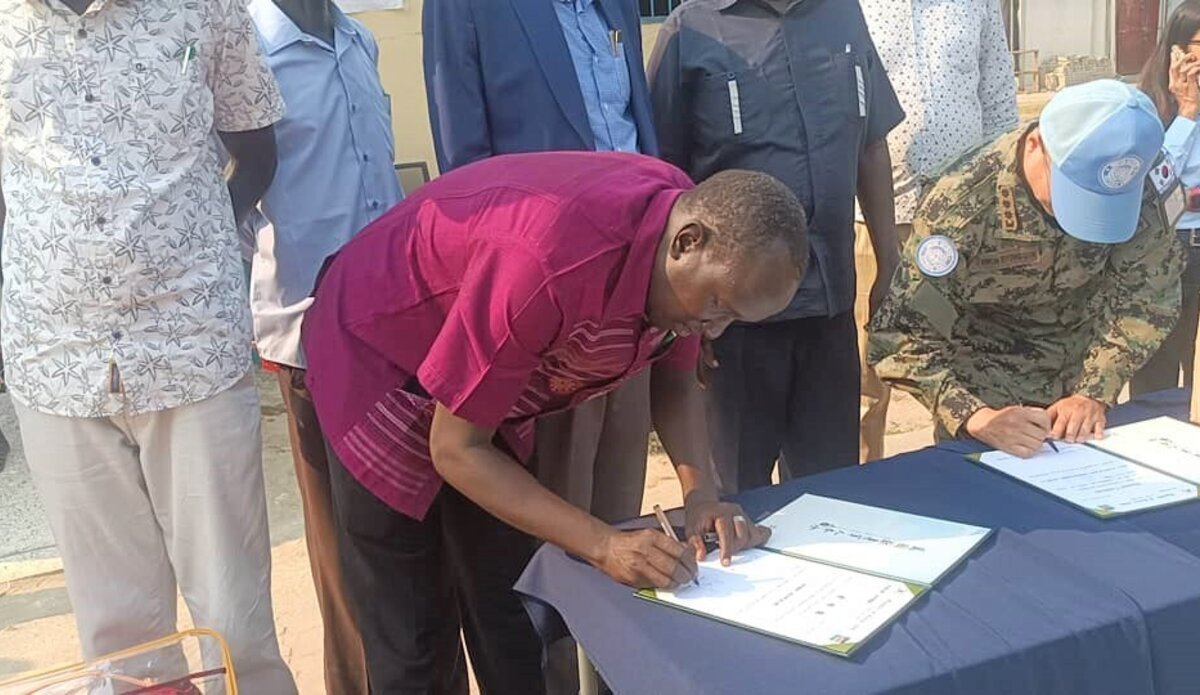
Report: Al-Naeim Mubarak Koul
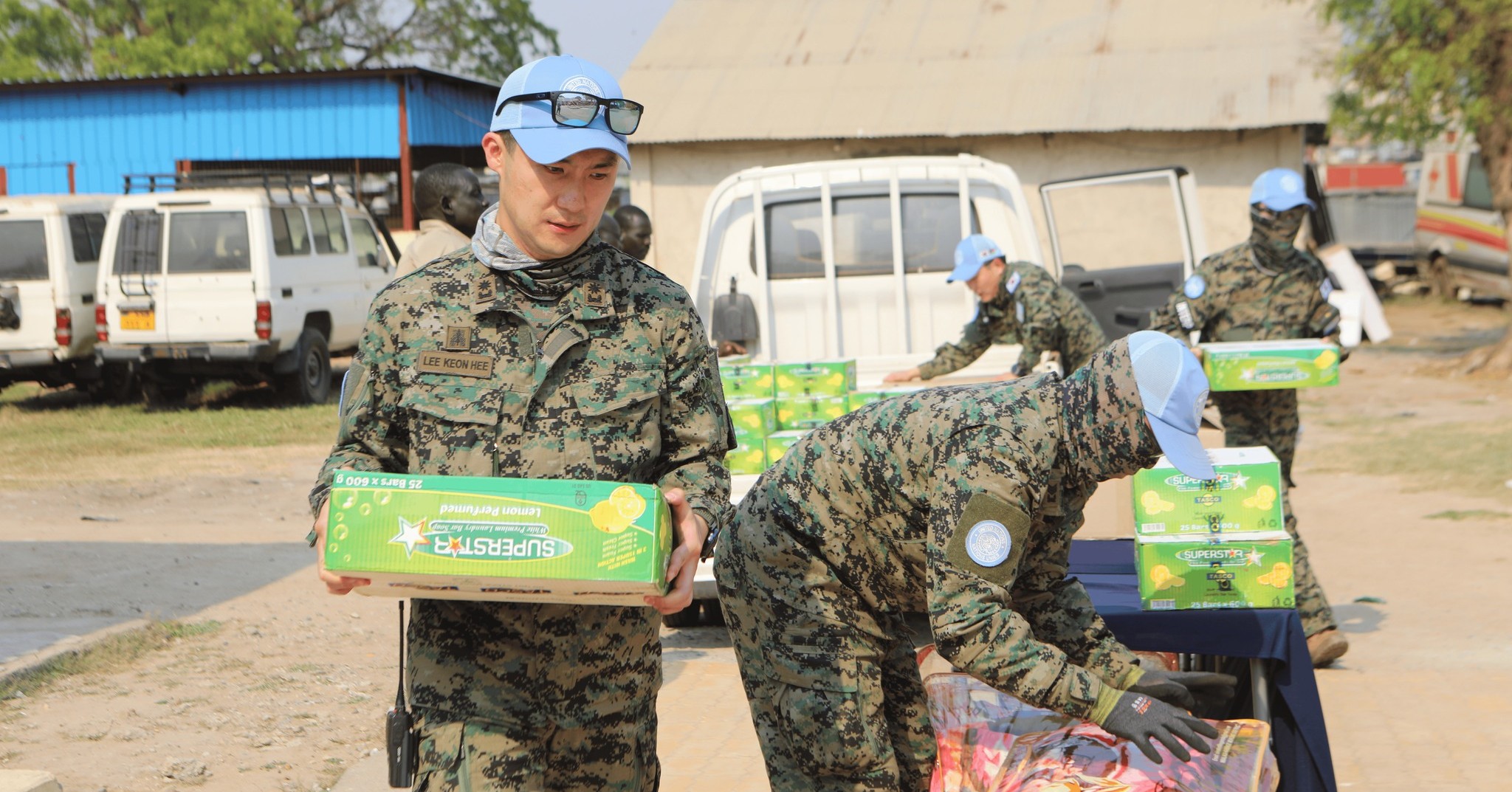
The United Nations Mission in South Sudan delivered more than 1,000 pieces of soap, blankets, quilts, and intravenous fluids, which are essential for treating dehydration caused by cholera-related diarrhea, to the Korean forces in Bor Hospital, Jonglei State. The commander of the South Korean forces, Colonel Kwan Byung-guk, stated, “We will continue all efforts to protect civilians and enhance the quality of life for vulnerable groups throughout South Sudan.”
Efforts to combat the spread of the cholera epidemic, which has affected many states in South Sudan, are still ongoing. These efforts are very important because there is an urgent need for collective action to address this crisis, which has exacerbated the already deteriorating health situation in the country due to gaps in medical care, water and sanitation conditions, and cuts in health sector funding in South Sudan. According to official reports, 21,000 people have been affected by cholera, with at least 330 deaths due to the epidemic that has spread to 28 counties in seven states of South Sudan.
A vaccination campaign was launched for hundreds of thousands of people to prevent and mitigate the impact of the disease that spreads through contaminated water and food.
With the support of South Korean peacekeepers serving in the United Nations Mission in South Sudan (UNMISS) in Jonglei, a response was initiated by distributing essential medical supplies to the affected communities. Local authorities reported that five counties—Bor, Pigi, Fangak, Twic East, and Ayod—were affected, resulting in at least 2,575 cases and 69 deaths. Fangak was the hardest hit, recording 755 cases and 18 deaths, putting additional pressure on local health services that are already facing shortages.
To prevent diseases and their effectiveness or treatment, the Minister of Health in Jonglei State, Lual Muonlualk Daw, called for following proper health practices to stop the spread of the disease and alleviate the pressure on local health services.
The director of Bor Hospital, Dr. Paul Shaw, pointed out that people living near the Nile River are the most affected, especially those living on islands and boat docking sites. He urged people to refrain from drinking unsafe water in these locations.
The head of the United Nations Integrated Office in Bentiu, Geetha Pius, emphasized the importance of a collective approach in addressing public health emergencies. She said, “The United Nations Mission in South Sudan and its humanitarian partners are doing everything they can to support the authorities in caring for the people of Jonglei during this difficult period.” She added that cooperation with the state government is essential, especially in times of crisis when many people are affected by this extremely dangerous disease.