Admin
Admin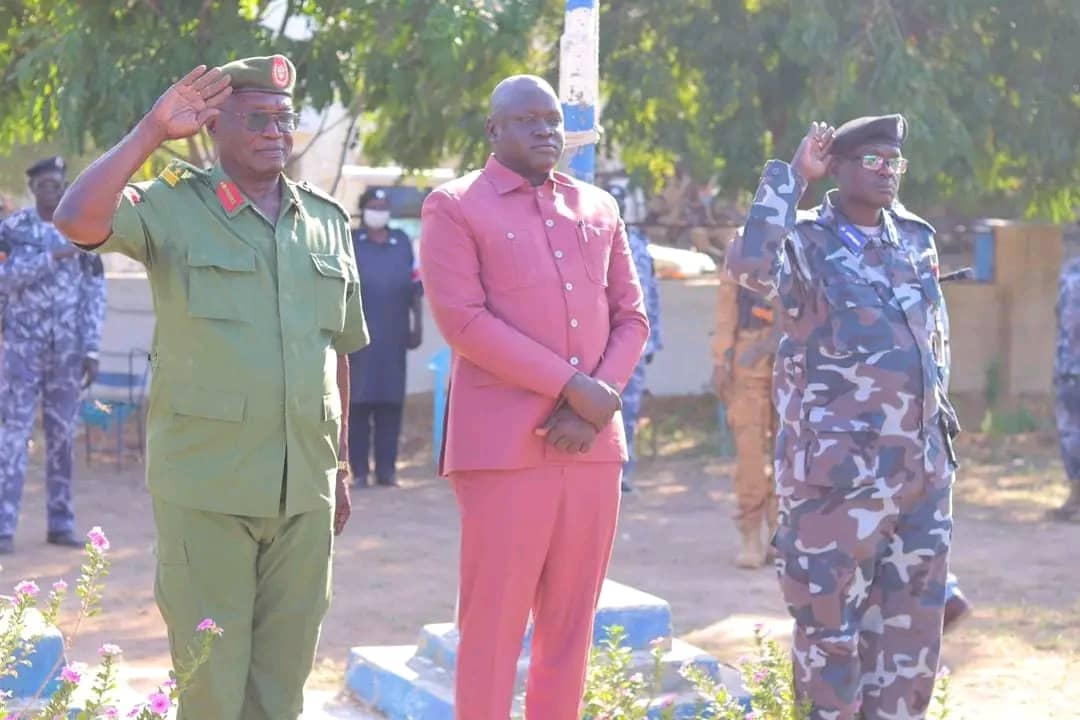
Report: Athom Garang
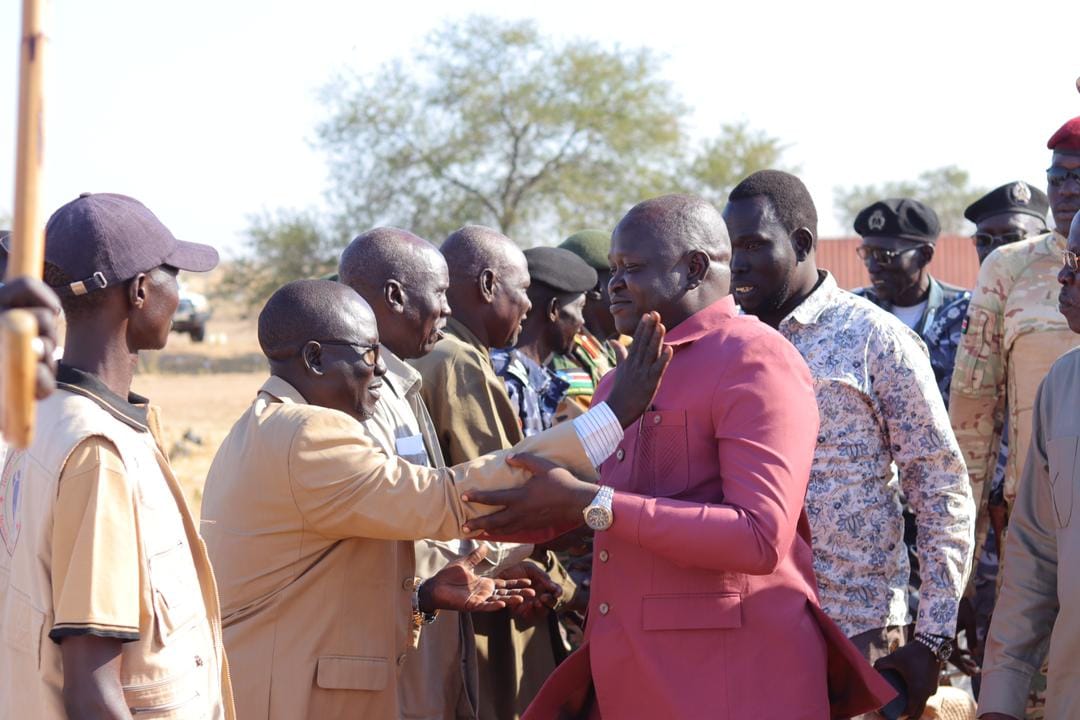
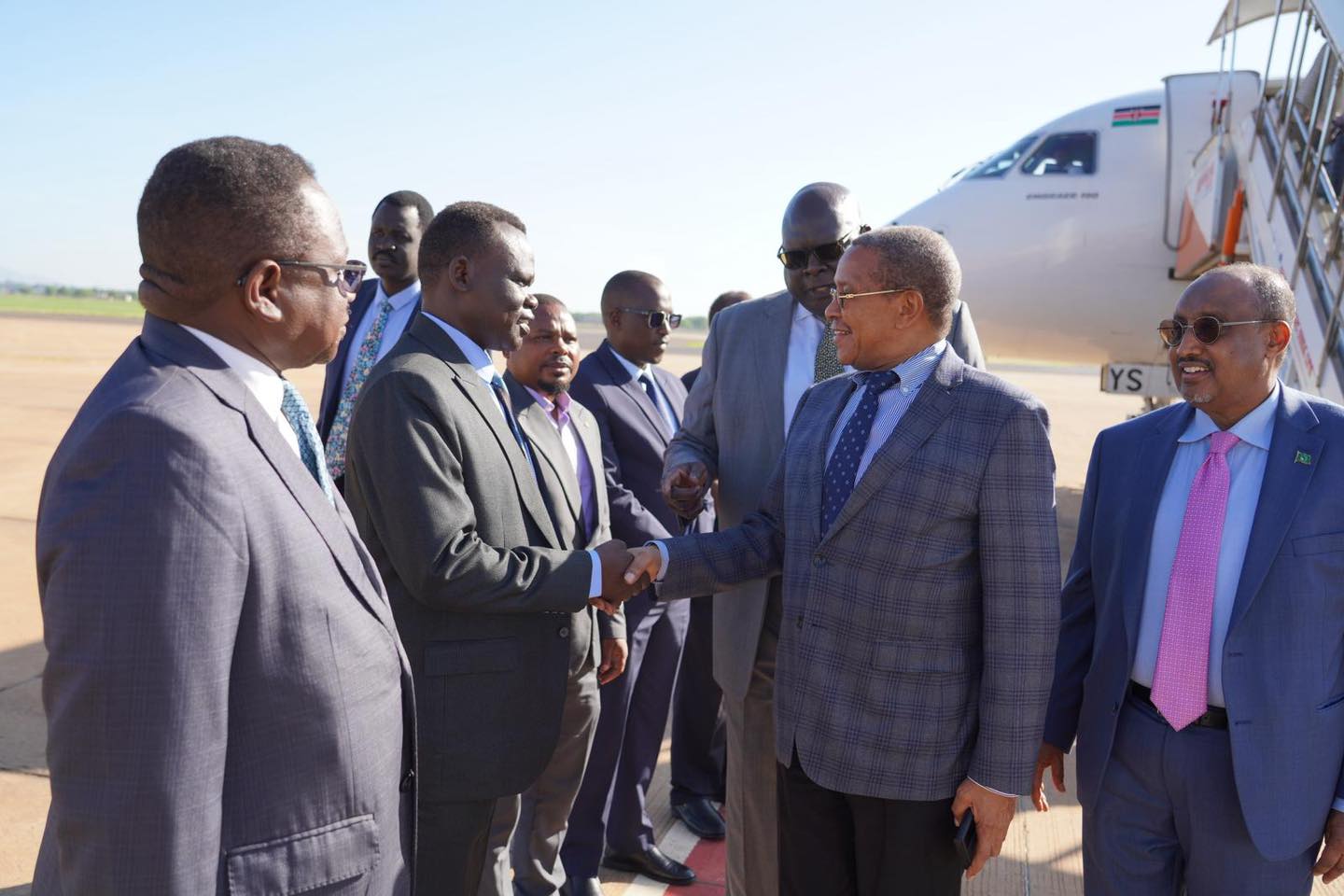
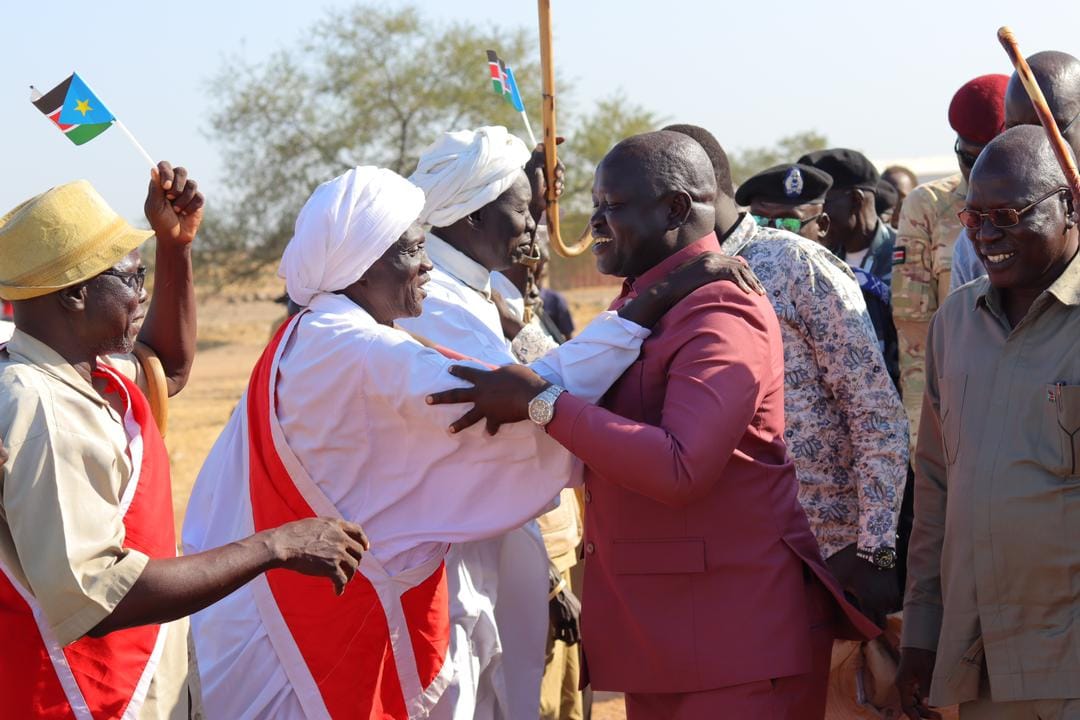
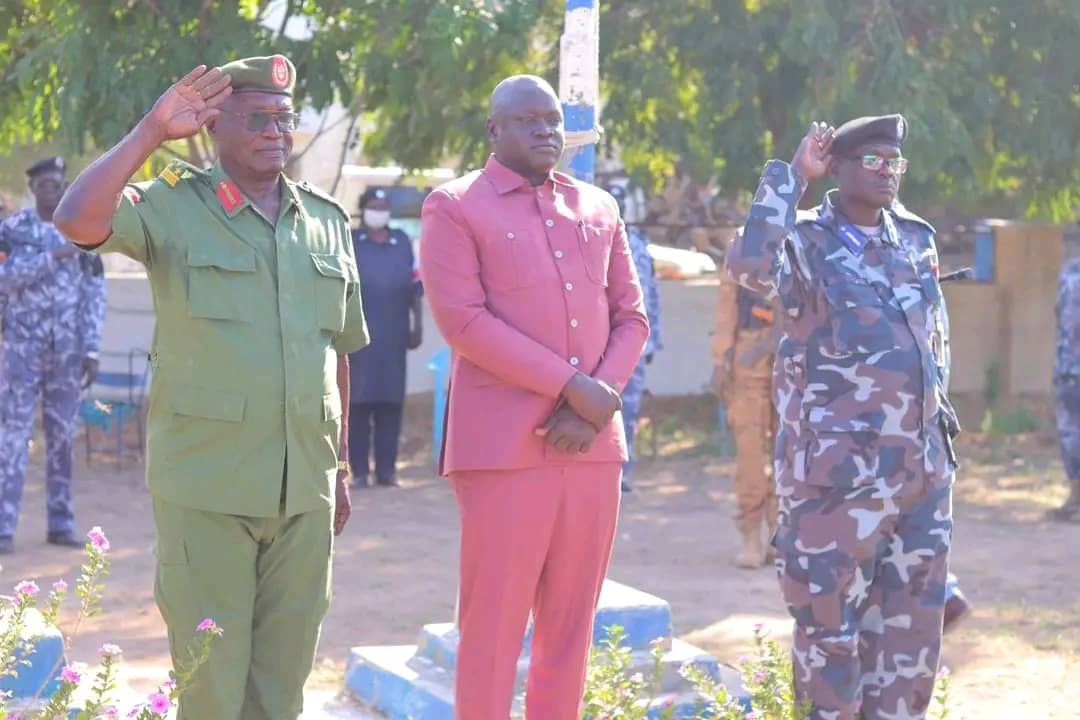
The Deputy Governor of Upper Nile State, Hon, Deng Joh Angok, arrived in Renk County accompanied by state government officials. The visit aims to assess the security situation along the border between South Sudan and Sudan.
Deng, emphasized the state government’s commitment to ensuring stability and addressing the challenges and problems facing the strategic region. He is expected to engage with local leaders, security officials, and local communities to strengthen border management and enhance cooperation.
Assessment of the Security Situation Along the Border
The security situation along the border is a vital issue that concerns both governments and international communities, as borders represent the dividing lines between countries and serve as critical points of contact that can sometimes lead to tensions and armed conflicts. In many areas, borders face diverse security challenges, including terrorist threats, smuggling operations, border disputes, and the movement of refugees and internally displaced persons.

One of the main challenges facing border security is the presence of armed groups that exploit the weak security control in border areas. These groups may include rebels and armed gangs who use the border as a safe haven or a route for smuggling weapons and fighters. Additionally, there may be disputes over land ownership or sovereignty, which can exacerbate security tensions between neighboring countries. Therefore, the visit of the Deputy Governor is very important given the current security situation in Sudan.
A significant issue facing Upper Nile State, particularly Renk, is smuggling, which is one of the major security threats and is also faced by many countries along their borders. Smuggling operations often involve weapons, drugs, military equipment, and other illicit goods. These smuggling activities fund armed groups and fuel criminal activities, contributing to increased violence and instability in border areas.
Renk is an agricultural region that borders both South Sudan and Sudan, and disputes over border lands are among the factors that significantly affect the security situation in many areas. These disputes may arise from historical disagreements over border demarcation or from conflicts over natural resources located along the border. In some cases, these disputes escalate into armed conflicts between neighboring countries, complicating efforts to secure stability in the region.
Given the ongoing armed conflict in Sudan and extreme poverty in some areas, the border has become a major passage for refugees and displaced persons. These movements put additional pressure on neighboring villages, potentially worsening the security situation. Sometimes, host areas experience security challenges due to the influx of refugees, including the spread of diseases, the presence of armed groups among the displaced, and economic strain.
The security response along the border is complex and requires coordination between security forces in neighboring countries. Regional cooperation is one of the main ways to address shared threats, and the visit of the Deputy Governor at this time is crucial because many countries are seeking to enhance military and intelligence cooperation in such situations. There is also a need to organize joint military patrols, exchange information on suspicious activities along the border, and activate legal measures against smuggling and cross-border crime to strengthen the state’s ability to confront security threats more effectively.
Border security challenges remain ongoing issues that require continuous attention. The border is expected to face more pressures due to climate change, which may drive people to cross borders in search of water or arable land. Additionally, political and economic shifts may lead to changes in political and security alliances.
The current security situation along the border is considered a priority in South Sudan’s security policy. Improving this situation requires strengthening regional and international cooperation, as well as enhancing military and security capacities within the country. Addressing border security issues through mutual understanding, political solutions, and the activation of legal measures are all critical factors for achieving lasting stability and security along the border.