Admin
Admin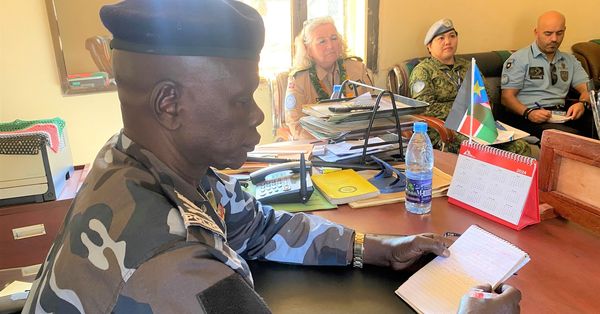
#Report: Alnaeim Mubarak Kuol
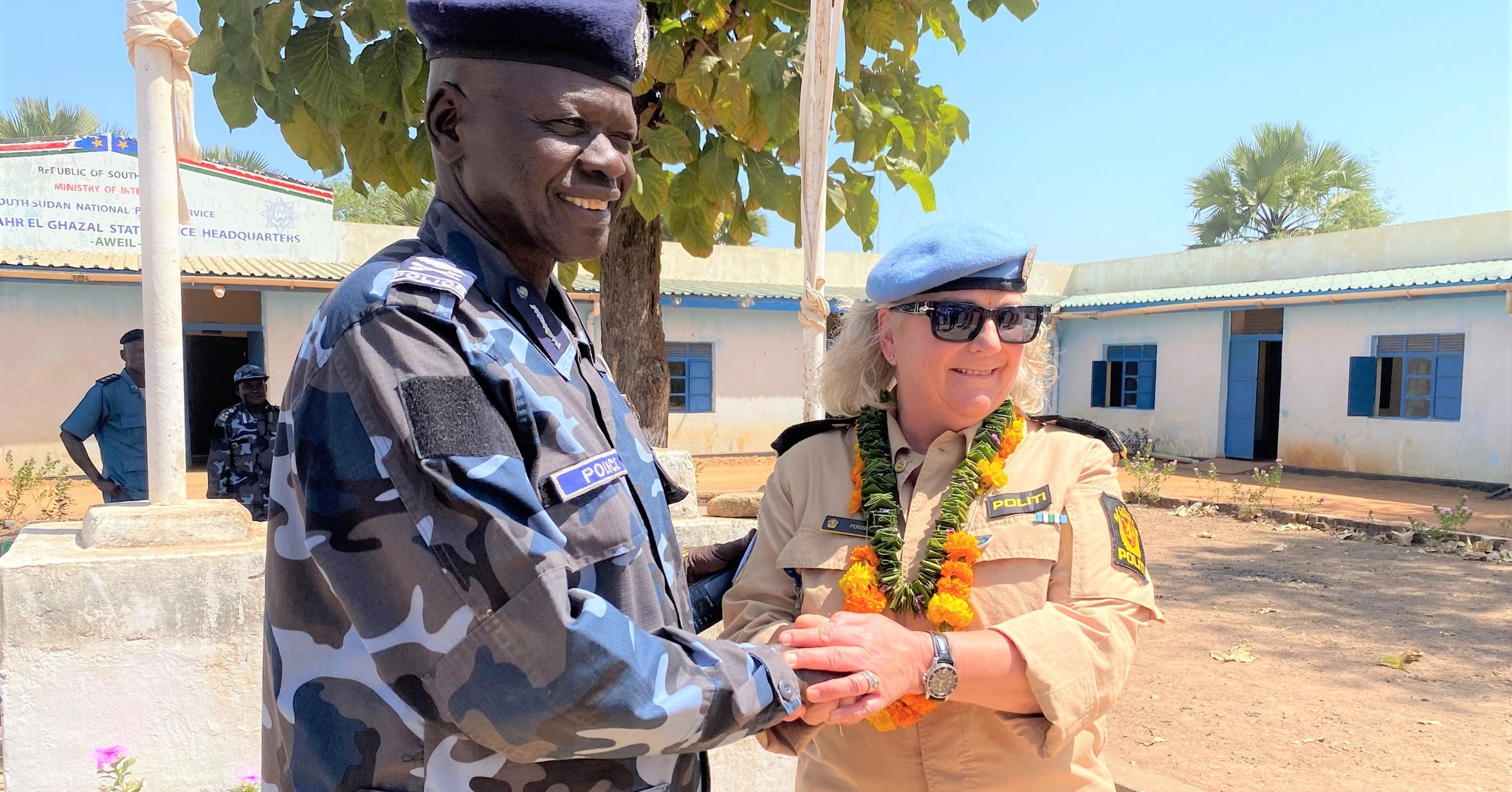
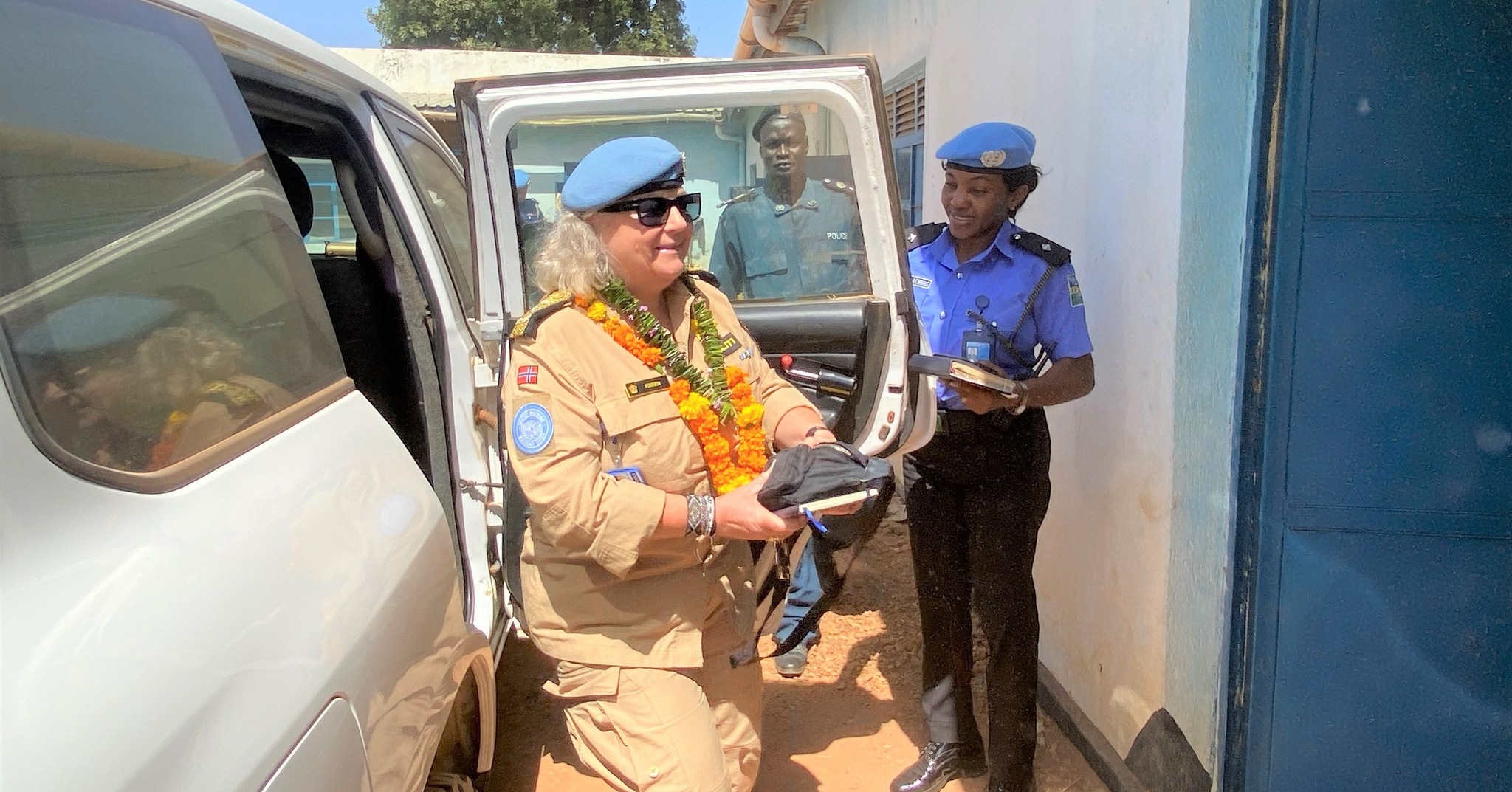
UNMISS Police Commissioner Christine Fossen recently met with local authorities in Aweil, Northern Bahr El Ghazal, to strengthen future cooperation.
As part of the United Nations Police (UNPOL), she reaffirmed her commitment to building the capacities of their counterparts in South Sudan, stating, “We believe this will contribute to strengthening the national police and help them effectively protect the people of South Sudan according to international standards.”
The Role of UN Police in Promoting Global Peace and Security
UN Police (UNPOL) is one of the key branches in UN peacekeeping missions, playing a crucial role in enhancing security and order in conflict and post-conflict regions around the world. UN Police was established to support countries in maintaining law and order, as well as improving the capacities of local police through training and guidance. This article discusses the role of UN Police, its core responsibilities, and the major challenges it faces in achieving its goals.
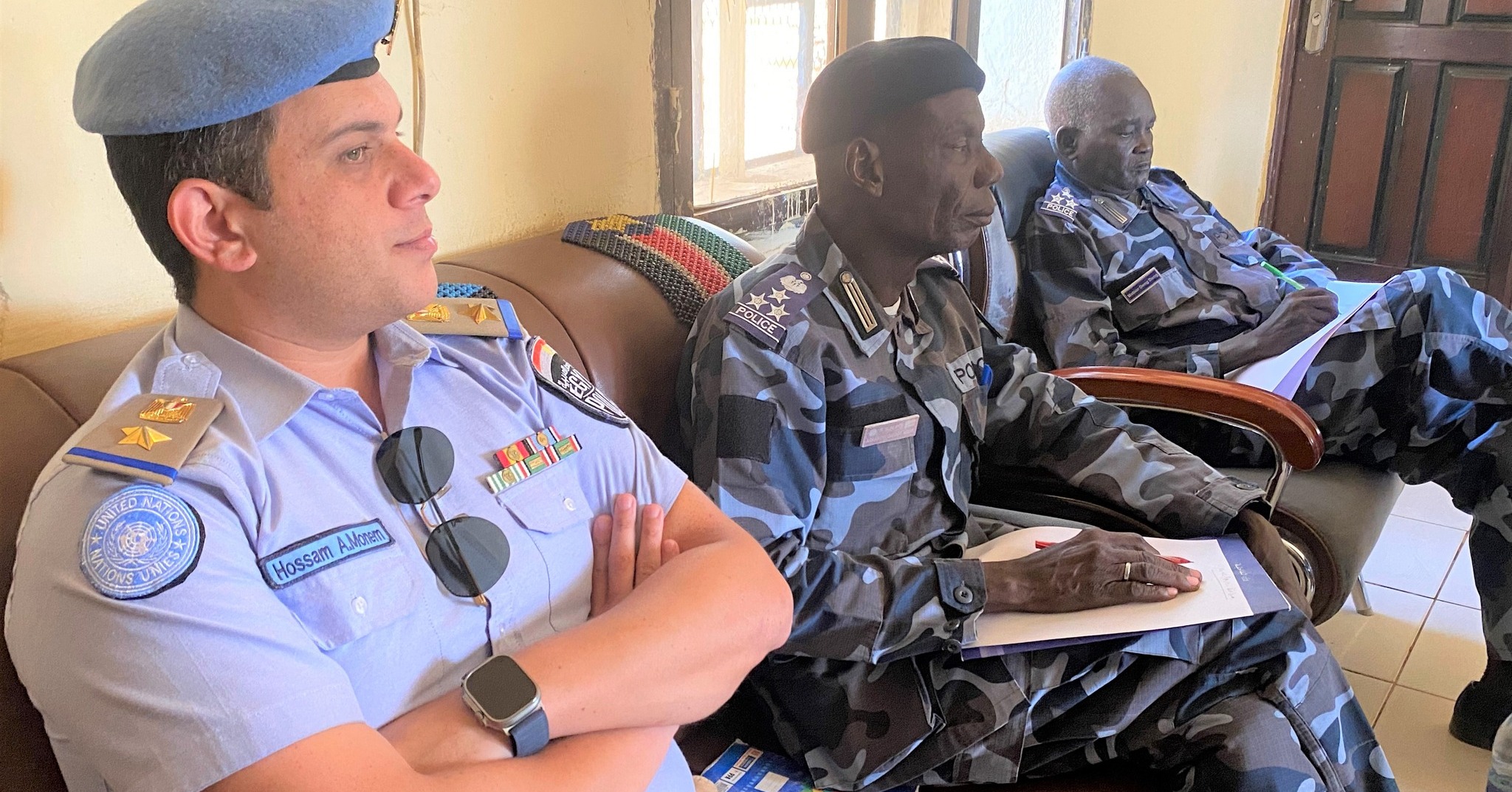
Role of UN Police
The mission of UN Police is to maintain peace and security in countries experiencing conflicts or in the aftermath of armed conflicts. UNPOL personnel aim to provide a safe environment for civilians and enhance the ability of local police forces to perform their duties independently and effectively.
Supporting Local Police Forces: One of the core tasks of UN Police is to support and train local police in troubled countries. This includes providing training on investigative techniques, crisis management, and community policing. The goal is to empower local police to perform their duties professionally, which helps build trust between citizens and security forces.
Assisting in Maintaining Order During Crises: In conflict areas or after wars, security situations are often unstable. UN Police plays a key role in restoring public order. Their personnel protect civilians, monitor the implementation of human rights laws, and ensure that crimes are not left unpunished.
Participation in Peacekeeping Operations: UN Police significantly contribute to UN peacekeeping operations. By working with UN military forces, they help ensure the stability of areas affected by armed conflicts and provide the necessary support for returning to normalcy.
Combating Organized Crime and Transnational Threats: UN Police collaborates with local authorities and other countries to combat organized crime such as drug trafficking, human trafficking, and terrorism. This cooperation enhances the ability to tackle international security threats.
Key Responsibilities of UN Police
Training and Mentorship: Through organized training programs, UN Police provides support to security institutions in conflict-affected countries. This training includes basic policing skills such as criminal investigations, handling major events, and crisis management.
Monitoring Security Situations: UN Police works to monitor security conditions and prevent disorder or human rights violations. Their personnel protect civilians and ensure their safety during conflicts or post-conflict periods.
Enhancing the Rule of Law: UN Police helps strengthen the rule of law in conflict-affected areas by supporting local legal institutions, organizing fair trials, and monitoring the respect for human rights.
Challenges Facing UN Police
Despite the vital role that UN Police plays in many regions around the world, it faces significant challenges that impact its ability to carry out its missions.
Insufficient Funding: UN Police faces challenges in securing adequate funding to effectively implement its programs. Insufficient funding can limit its ability to deploy security teams in priority areas or provide them with necessary resources.
Cultural and Legal Differences: UN Police operates in multi-cultural environments and may face difficulties adapting to local laws and customs in certain countries. This requires the ability to understand and work flexibly with local legal systems.
Political Pressure: Sometimes, UN Police may face political pressure from member states or local authorities in troubled countries. Such pressures can affect its ability to operate freely and impartially.
Security Threats in Conflict Zones: In some conflict-affected areas, UN Police personnel may face attacks from armed groups or criminal gangs, which threatens their safety and their ability to effectively carry out their tasks.
UN Police plays a fundamental role in achieving global peace and security by providing support and assistance to countries undergoing transitional periods after conflicts. Despite the many challenges it faces, UN Police remains a cornerstone in promoting stability and building security institutions in conflict-affected regions. Through effective coordination with local governments and the international community, UN Police significantly contributes to peacekeeping and strengthening the rule of law worldwide.



 Arop
Arop