Arop
Arop
Source: Al-Wadi Newspaper
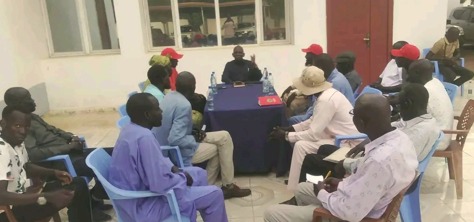
Yirol, Lakes State – Thousands of spectators gathered on Saturday in the town of Yirol to witness the launch of the “Wrestling for Peace” tournament, a large cultural and sporting event that highlighted the power of traditional wrestling in building peace and unity among local communities.
The two-week tournament is jointly organized by the Yirol West Wrestling Association in partnership with the Lakes State Ministry of Culture, Youth, and Sports, with the goal of promoting reconciliation and cultural pride through this deeply rooted traditional sport.
The competition features 15 heavyweight wrestlers representing nine Payams (administrative divisions) of Yirol West. The opening matches were packed with energy and excitement—Mapuordit triumphed over Benyloom with a score of 5-1, while Betoi defeated Aluakluak with a final tally of 6-3.
Massive Turnout and Official Endorsement
The tournament drew an enthusiastic crowd of locals, alongside government officials and community leaders. Attendees were treated to a vibrant cultural showcase as the wrestlers entered the ring wearing leopard-print skirts and ostrich feathers on their heads, symbolizing the rich heritage of the Nilotic tribes.
Government Endorses Sport as a Tool for Peace
Speaking to the media, William Koji Kirjok, Lakes State Minister of Culture, Youth, and Sports, emphasized the event’s alignment with the national peace agenda. He recalled that President Salva Kiir Mayardit had, two years ago, instructed all governors to utilize traditional wrestling as a platform for fostering unity and social cohesion.
“Under the leadership of Gen. Rin Tueng Mabor, the state government strongly believes that wrestling is more than just a sport—it’s an effective tool for bringing communities together,” Koji stated.
“Over the past four years, we’ve consistently used this sport as part of our peacebuilding efforts across the state.”
Wrestling as a Cultural Legacy and Instrument of Reconciliation
Traditional wrestling remains a central element of cultural identity for South Sudanese communities, especially among the Dinka, Mundari, and Lotuko tribes. The sport is closely tied to initiation rites marking the passage to adulthood and is often accompanied by other rituals such as stick fighting and forehead scarification.
Despite ongoing tribal conflicts and social challenges, these communities continue to preserve and showcase their traditions as a source of pride and resilience.
Organizers of the tournament view it as a valuable opportunity to bring together youth from different areas, promote understanding, and revive traditional practices as a means of reconciliation rather than division.
This year’s tournament serves as a powerful example of how cultural heritage can be used as a bridge for peace, with hopes that similar initiatives will soon expand to other states across the country.
Photo Credit: The Down Newspaper
www.derawtmedia.com


 Admin
Admin