Arop
Arop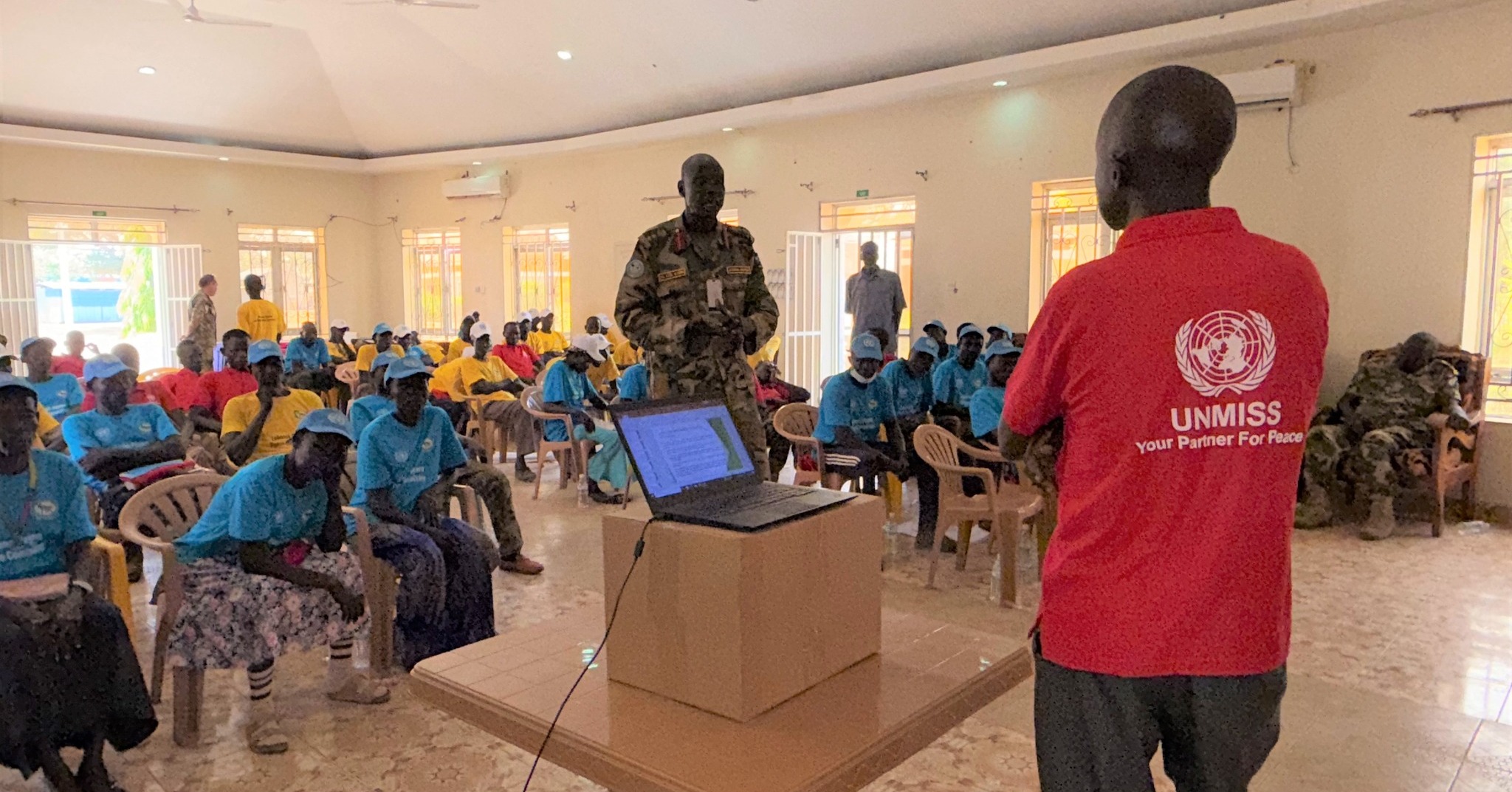
Report: Al-Naeim Mubarak Kuol
In the dry season, the Lobonok area and other regions in Central Equatoria State witness competition between herders and farmers for limited water and grazing resources, which often leads to conflicts. The priority has been placed on reducing tensions within the local community and promoting peaceful coexistence.
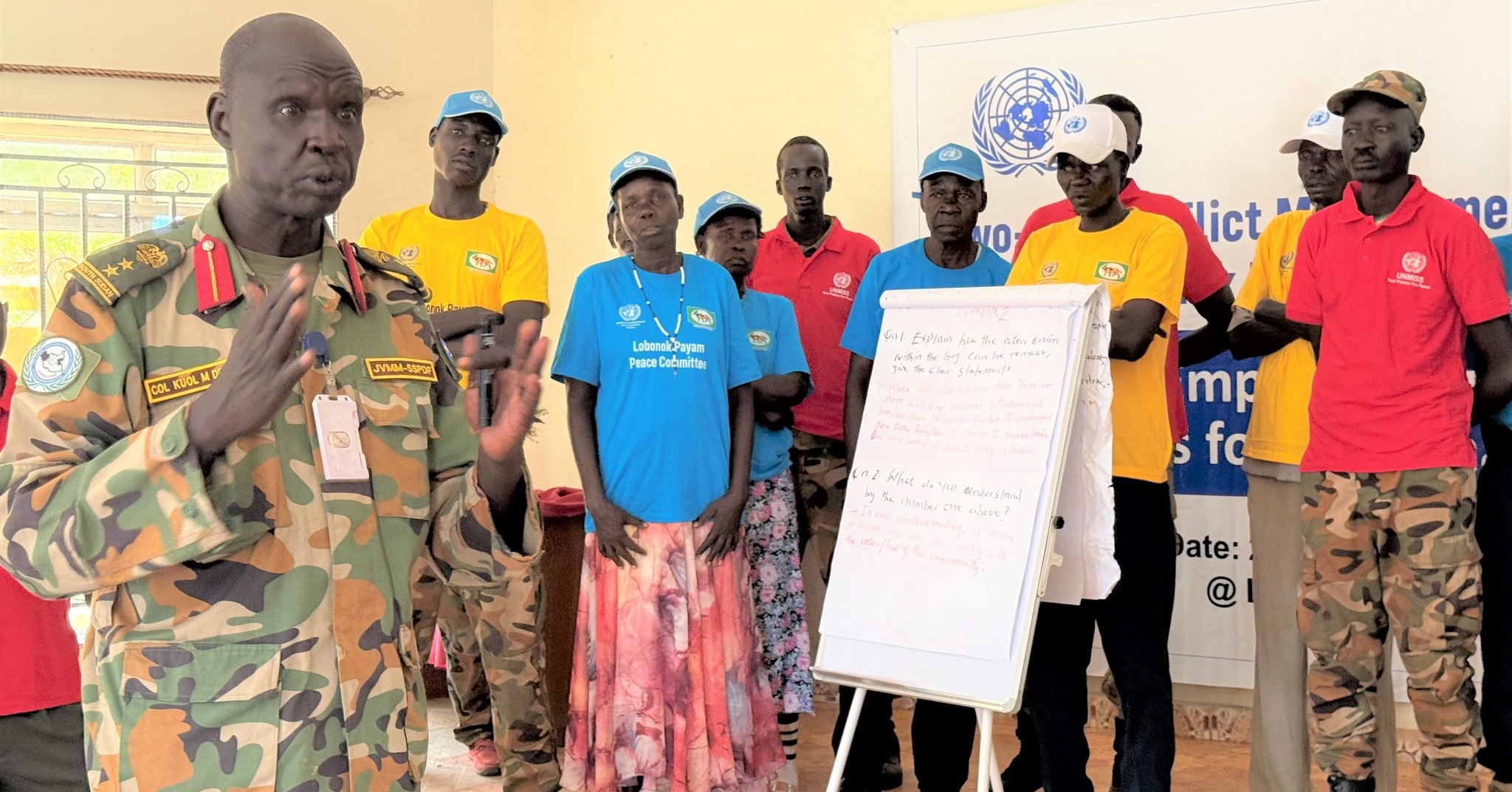
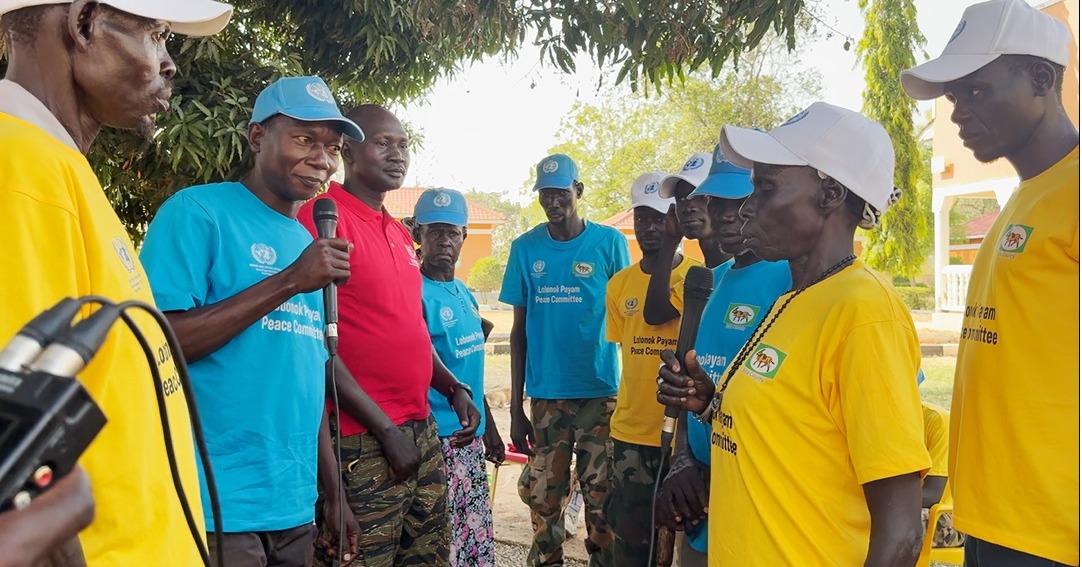
A two-day workshop on conflict management was organized to equip local residents with the necessary skills to resolve disputes peacefully, with support from the United Nations Mission in South Sudan (UNMISS), in partnership with the Independent Conflict Resolution and Reconciliation Commission and the Ministry of Peacebuilding. The workshop targeted 80 people from various communities in Central Equatoria State.
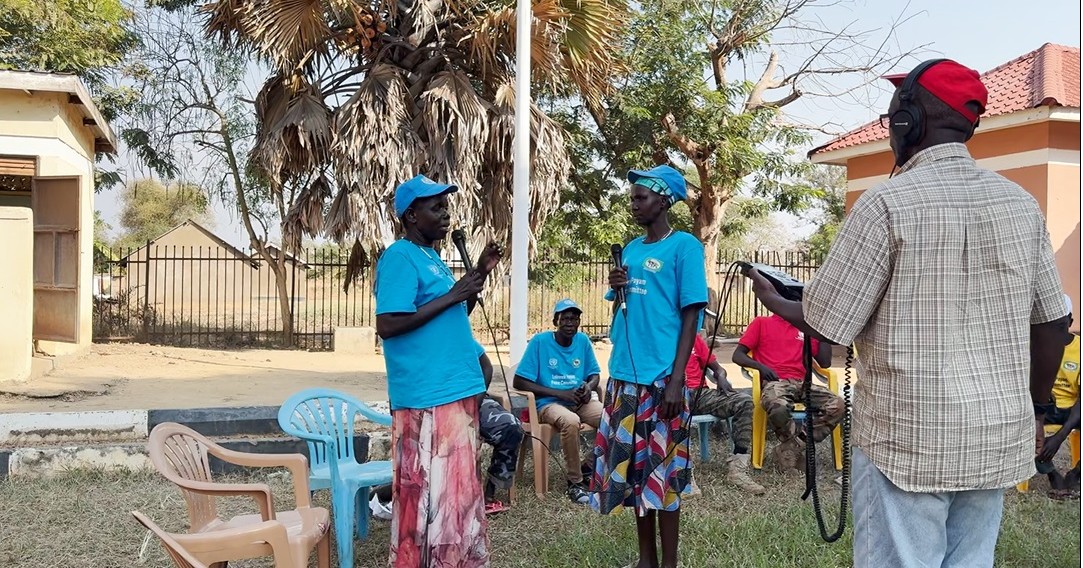
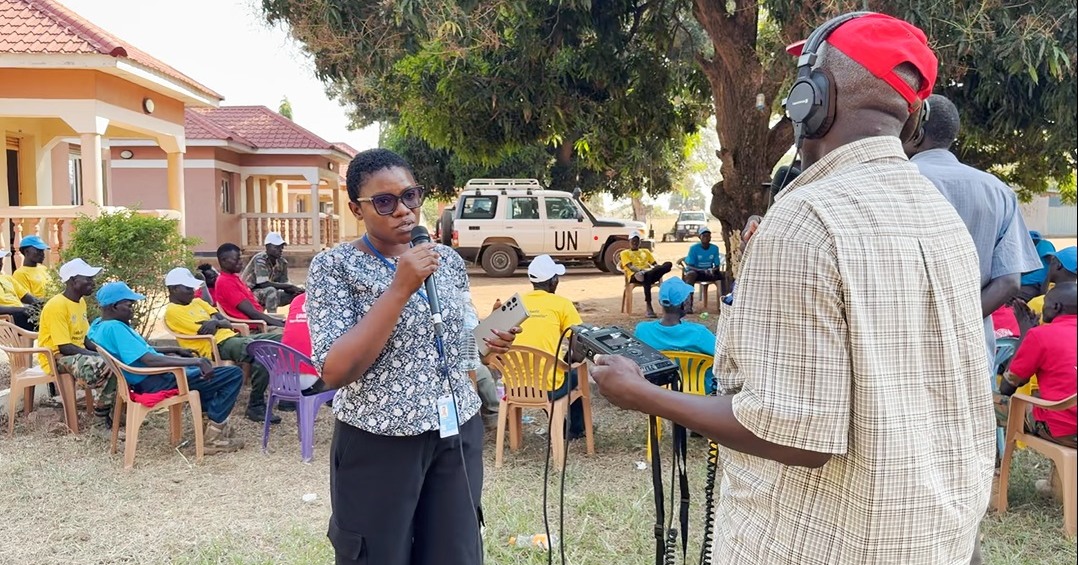
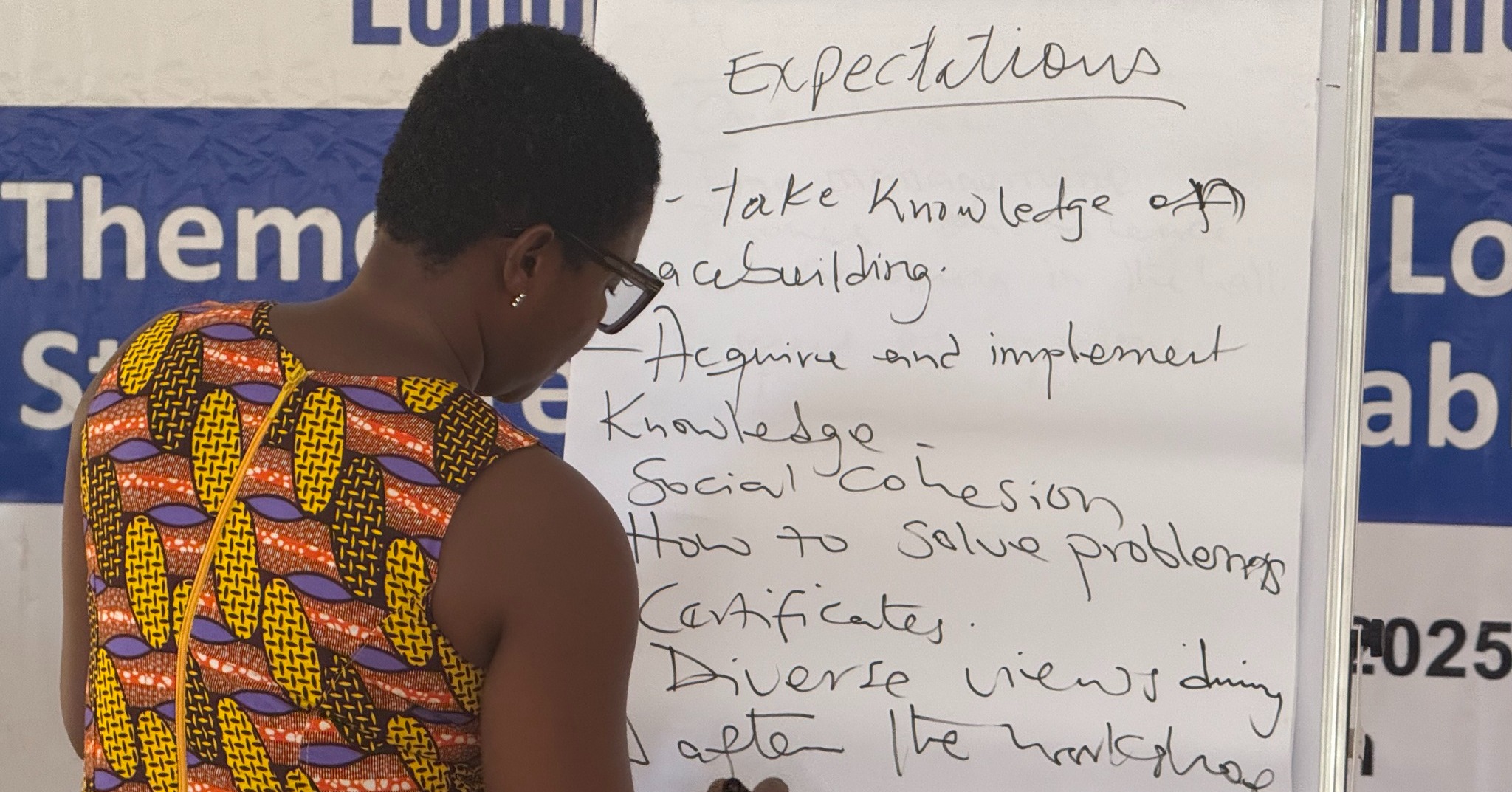
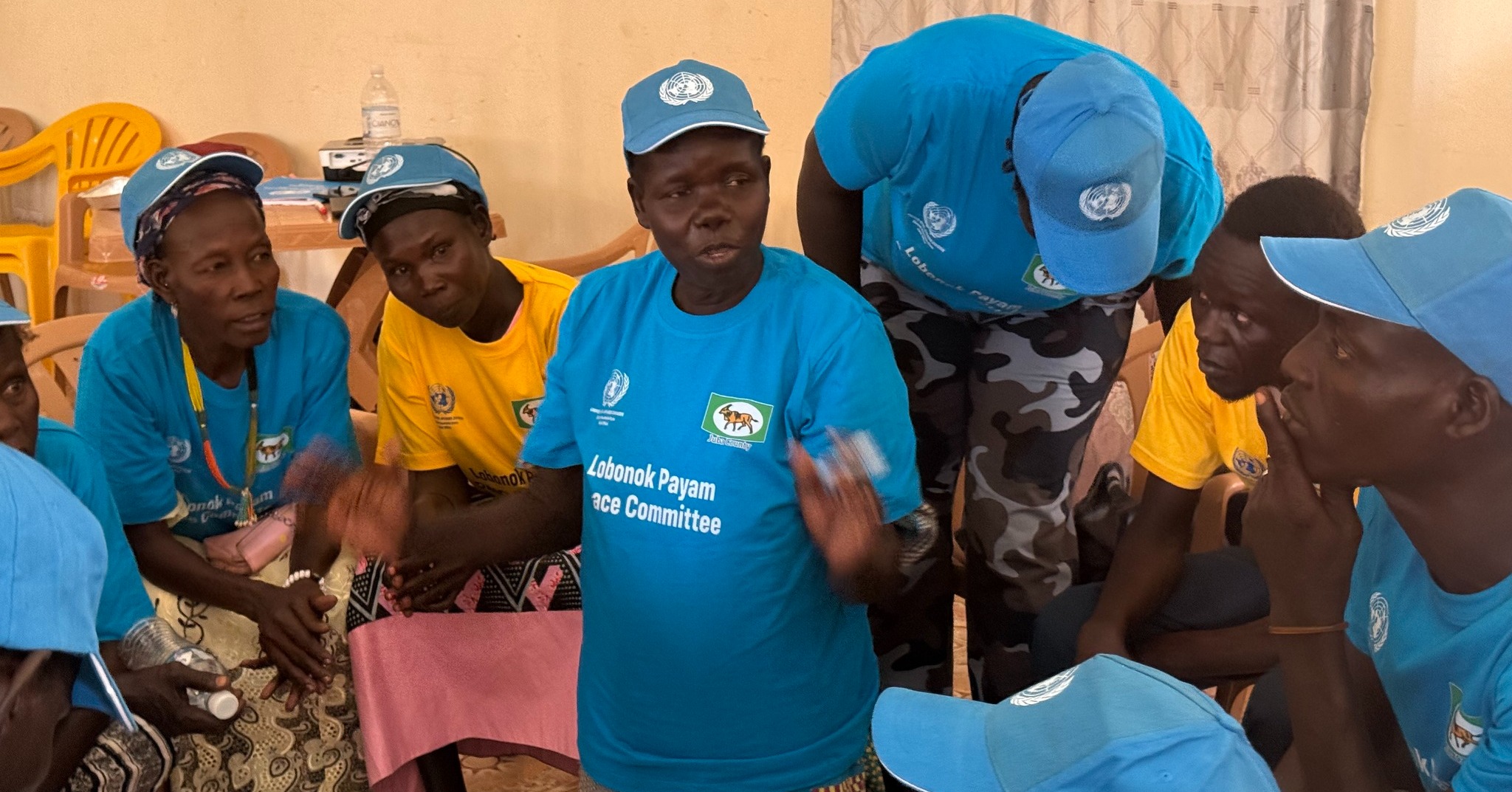
Participants learned about important topics, such as how to identify potential conflicts, the role women play in peacebuilding, and the importance of peaceful problem-solving. The workshop included group work and realistic scenarios reflecting the challenges they may face.
A key focus of the workshop was empowering women in peacebuilding and developing their leadership and conflict resolution skills, especially as women are now represented in all local peace committees in Lobonok.
Patience Antwi, a Civil Affairs Officer at UNMISS, said, “We used a participatory approach, including real-life scenarios, to help participants understand how to resolve conflicts peacefully. It was inspiring to see women taking leadership roles and contributing their ideas.”
She also noted that the success of this program, despite the immense challenges posed by widespread displacement, shows that there is hope for a more peaceful future in Lobonok.
The training builds on previous peacebuilding work in Lobonok, starting with the formation of local peace committees in 2003. It is not a one-off event but part of a long-term plan to build lasting peace in the region.
Lawrence Musoke Samuel, Director General at the Ministry of Peacebuilding in Central Equatoria State, emphasized the importance of cooperation in spreading messages of peace. He said, “No one is born wanting conflict. Culture is learned, whether from our parents, schools, churches, mosques, or our environment. But we, ourselves, can create change and cultivate a culture of peace, because with peace, we will recover, rebuild, and develop.”


 Admin
Admin