Admin
Admin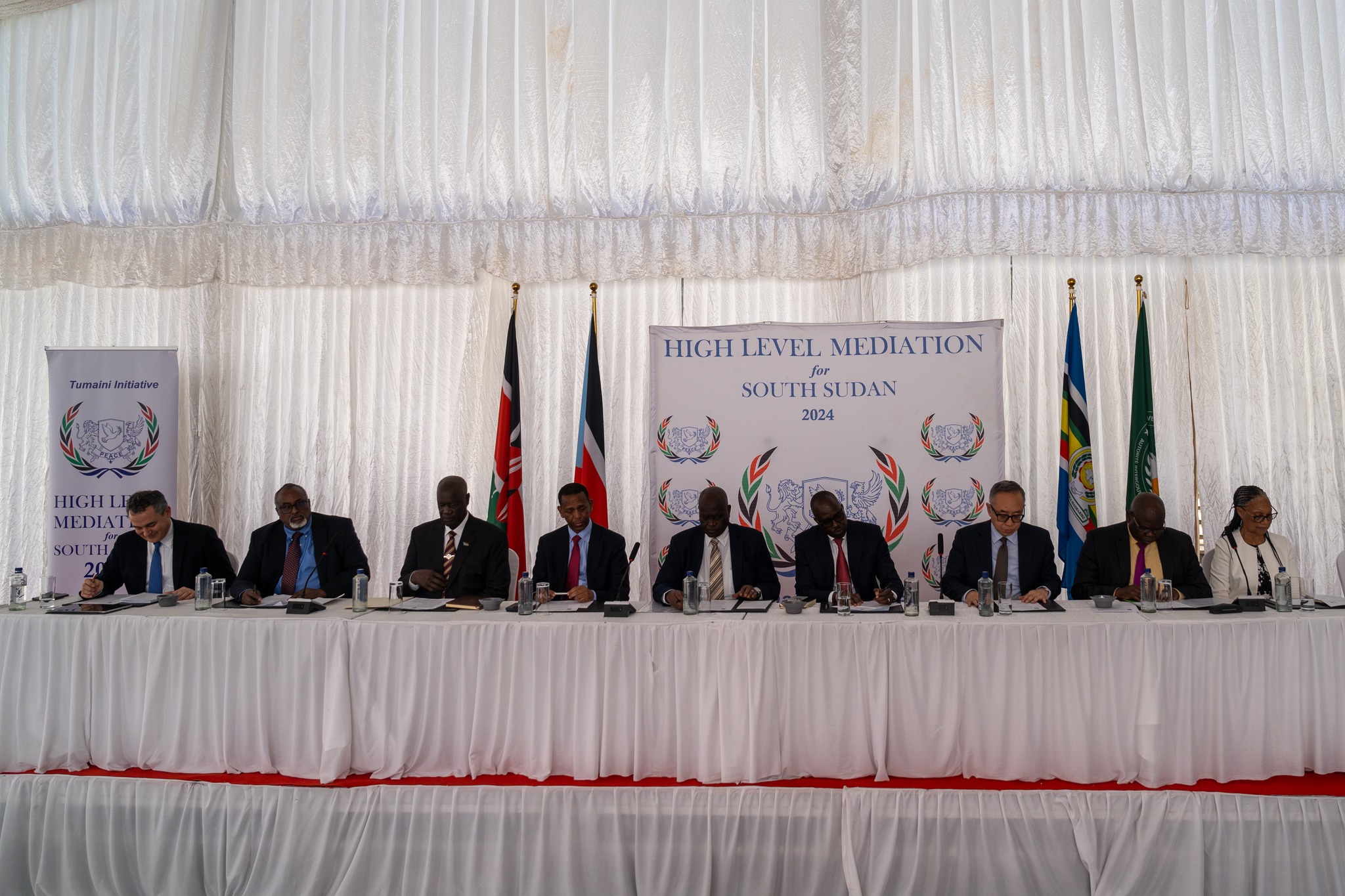
Reported by: UNMISS
Peace talks have resumed in Nairobi, Kenya, between representatives of South Sudan’s Transitional Government of National Unity and hold-out groups that did not sign the Revitalized Agreement on the Resolution of the Conflict in South Sudan in 2018.
Hosted by the Kenyan Government, the high-level mediation process, known as the Tumaini Initiative (“hope” in Swahili), was originally launched in May 2024. The process stalled in mid-July when concerns arose about how the new peace process would align with the revitalized agreement. However, on November 6, South Sudanese President Salva Kiir Mayardit and Kenyan President William Ruto agreed to resume negotiations.
During the official opening session, Professor Pauline Riek, Deputy Vice Chancellor of Rumbek University, stated:
“Challenges will arise, but failure of this process is not an option. We must remain steadfast in our pursuit of a peaceful and prosperous South Sudan for all.”
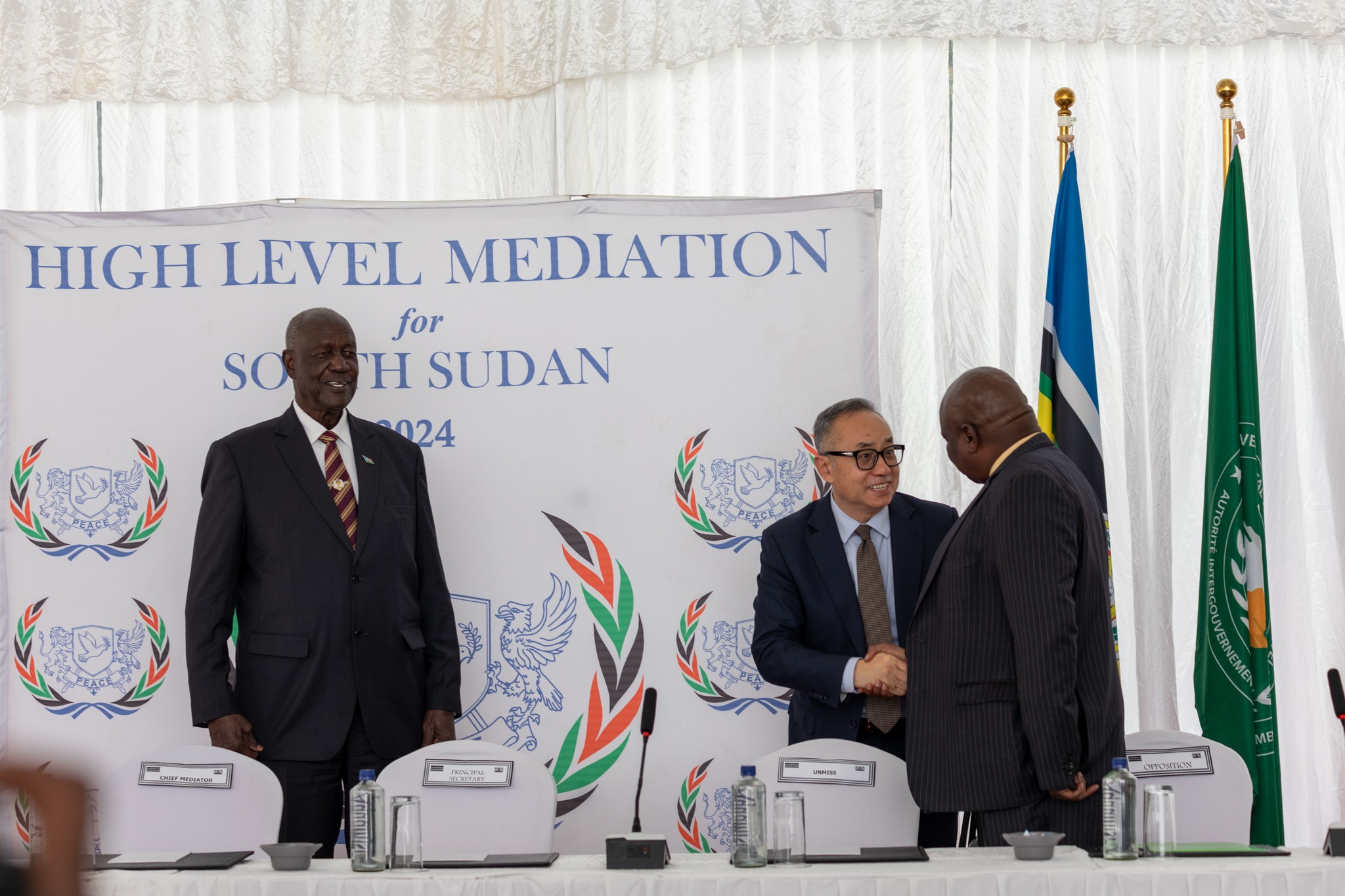
Opposition groups reaffirmed their commitment to building lasting peace that would enable South Sudan to transition from its interim phase to its first democratic elections as a sovereign state, allowing its people to exercise their right to elect leaders.
Pagan Amum, Chairperson of the Real-Sudan People’s Liberation Movement, emphasized:
“I urge all delegates to recommit to a genuine search for peace and approach this resumption with open hearts and sincerity. The goal of this resumption is to finalize and conclude the Tumaini consensus. This is not the time to reopen or renegotiate what has already been agreed upon. This may be the last chance to save our country from total disintegration and chaos.”
Leading the 15-member government delegation, Senior Presidential Advisor General Kuol Manyang urged other hold-out groups to join the talks to address political issues, rebuild the nation, and tackle the major challenges facing the country, including political instability, intercommunal conflicts, severe flooding, and the spillover effects of the war in neighboring Sudan.
General Manyang stated:
“Since achieving independence, South Sudan has struggled to lay the foundations for a strong state. We acknowledge that mistakes were made, especially due to our inexperience in governance. However, these setbacks should not define us. Instead, they must serve as lessons to correct our errors and build a brighter future for our children.”
International community representatives at the talks emphasized the importance of open and inclusive discussions.
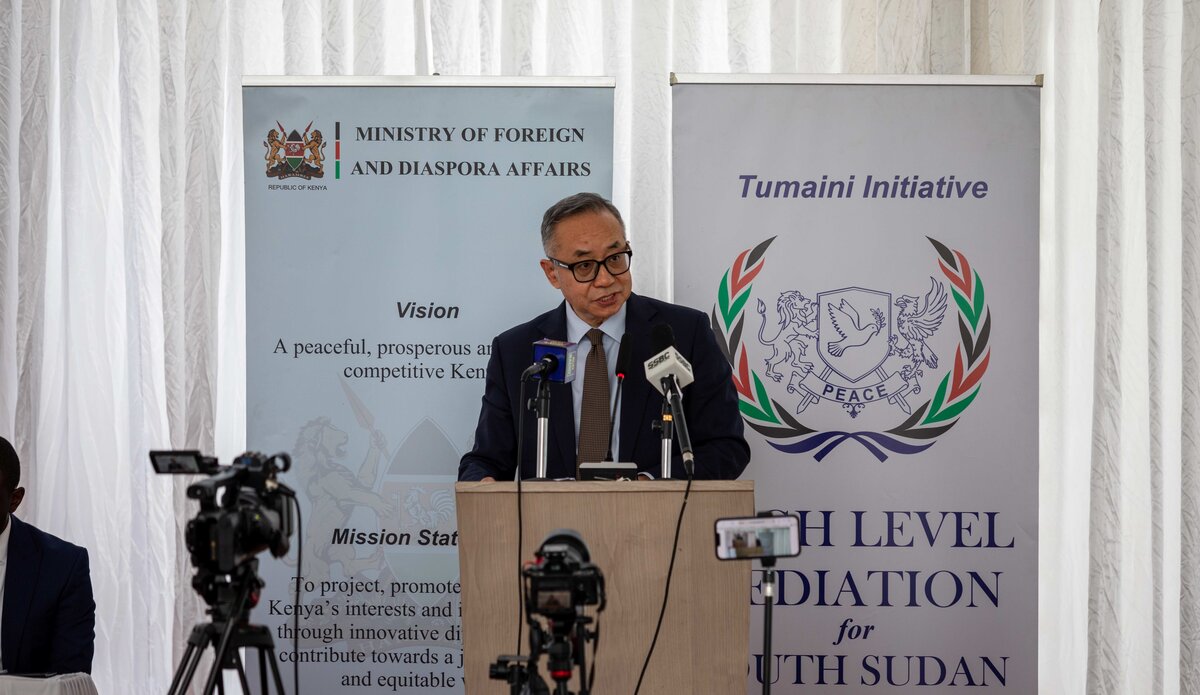
Guang Cong, Deputy Special Representative of the UN Secretary-General for Political Affairs, remarked:
“It is essential to note that the confidence and support of the regional and international community for the Tumaini Initiative can only be secured through tangible progress and collective commitment from all participants. More importantly, the success of these discussions is crucial for the people of South Sudan, who are eagerly awaiting the dividends of peace.”
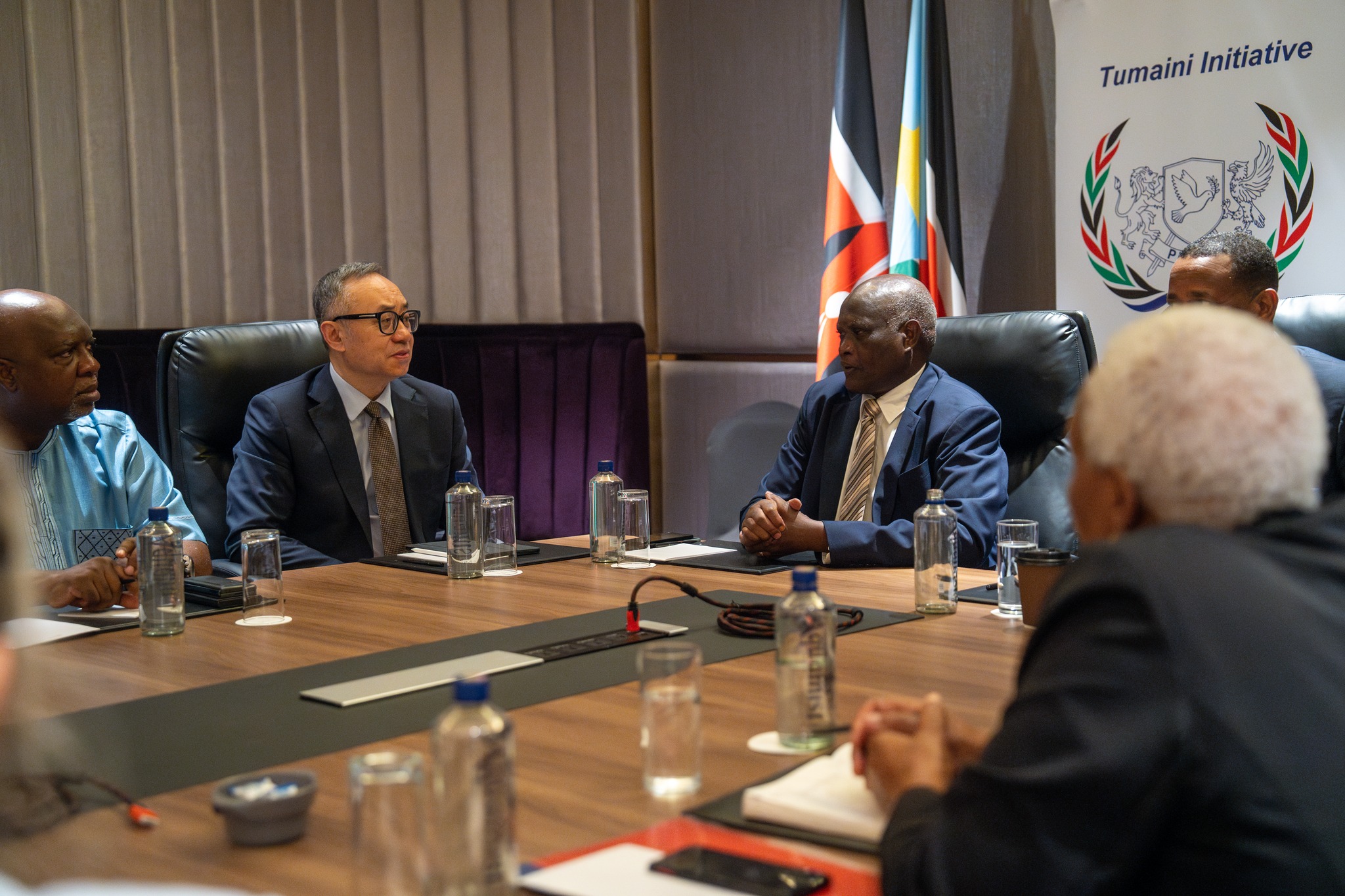
Chief Mediator General Lazaro Sumbeiywo expressed gratitude to the international community and the participants for their patience and resilience over recent months.
“I see in you, honorable delegates, the determination to pursue the path of peace for your beloved country, South Sudan. I call upon you to work diligently to resolve the remaining issues in the Responsibility Sharing Protocol and Implementation Matrix.”. He stated
The talks began on a hopeful note, with the parties aiming to reach a consensus on outstanding issues within the coming weeks.
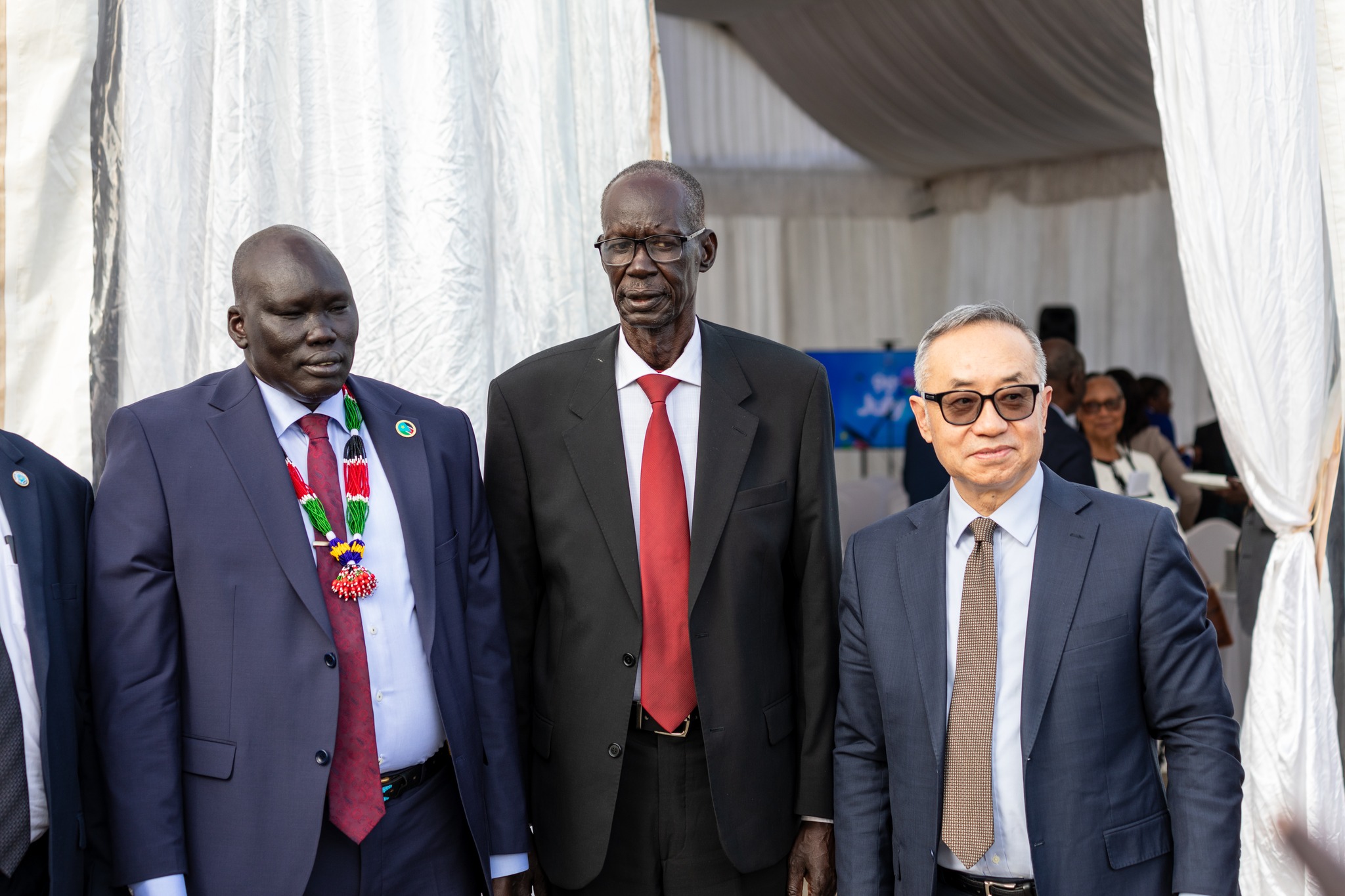
Dr. Abraham Korir Sing’Oei, Kenya’s Principal Secretary for Foreign Affairs, concluded:
“Tumaini is a Swahili word that means hope. Hope may seem like a simple concept of optimism, but in our view, it represents a revolution. Hope rejects the permanence of the status quo. It is incompatible with defeat. Hope is a promise that positive outcomes will eventually be realized.”