Admin
Admin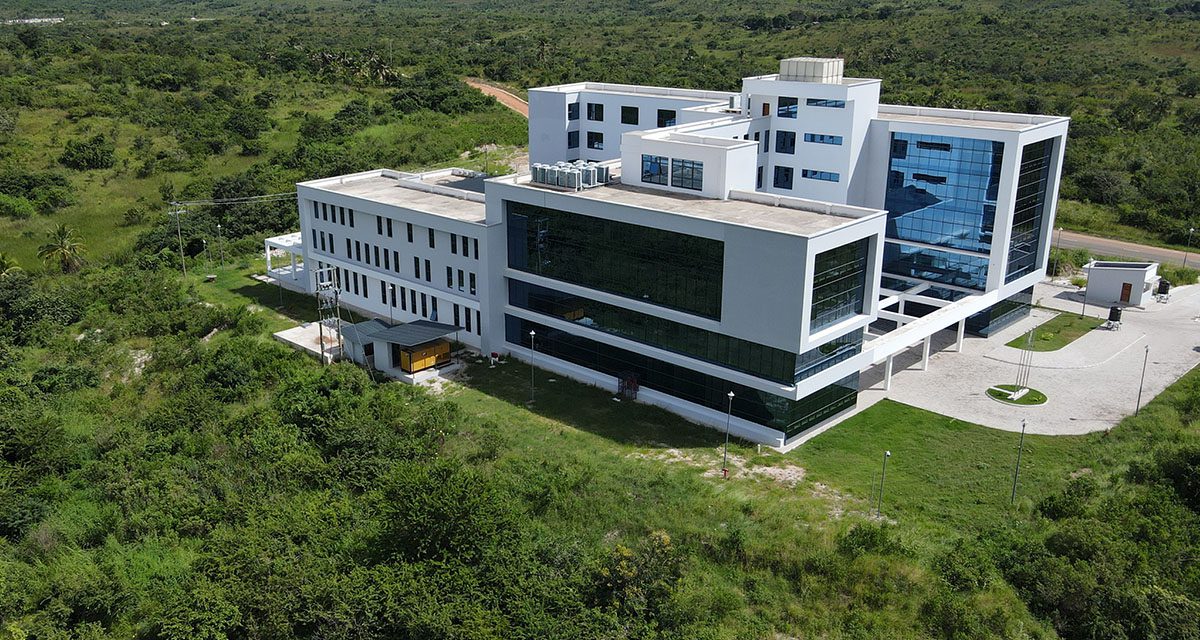
News Agencies
The African Development Bank’s Board of Directors has approved a $75 million loan to fund the second phase of the Center of Excellence for Skills and Higher Education in Biomedical Sciences project in Tanzania. The project is estimated to cost $83.3 million, with the Tanzanian government contributing $8.33 million. Implementation will take place over five years (2025-2029).
The project aims to develop a highly qualified workforce capable of preventing and treating cardiovascular diseases within Tanzania, the East African Community, and the African continent as a whole. It seeks to achieve this by enhancing skills, infrastructure, and providing high-quality training.
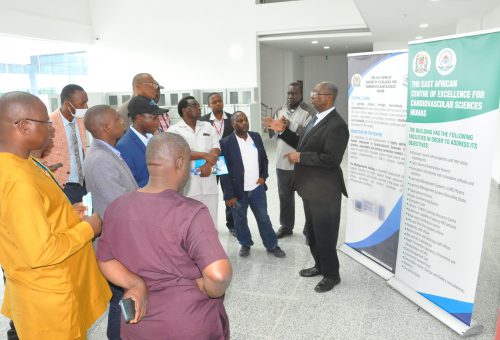
On November 27, 2024, Approved the project will oversee the construction of a specialized cardiology teaching hospital with a 600-bed capacity, equipped with state-of-the-art medical equipment. It will also train 120 faculty members and 100 students, 45% of whom will be women in each group, to provide localized treatment for cardiovascular disease patients, thereby reducing costs and improving access to treatment for local communities.
The project will be implemented during the first phase, which includes constructing and operationalizing the center’s supporting facilities, such as administrative and training units, at the Mloganzila campus of Muhimbili University of Health and Allied Sciences (MUHAS).
Patricia Laverley, the African Development Bank’s Country Manager for Tanzania, stated:
“The Bank supports the proposed Center of Excellence in Cardiovascular Sciences in Tanzania, as it is expected to deliver significant health and economic benefits by improving the management and treatment of cardiovascular diseases.”
“By focusing on the training of specialized human resources and establishing a state-of-the-art cardiology teaching hospital, the project will contribute to reducing morbidity and mortality rates, enhancing productivity, and lowering healthcare costs.”She added
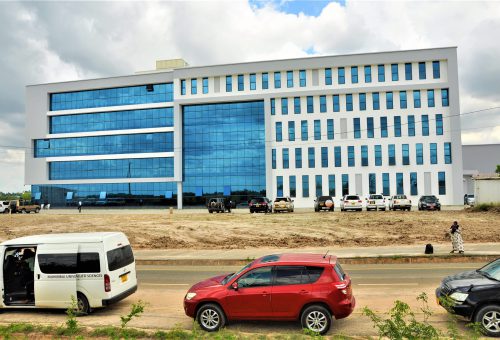
This complex is one of East Africa’s Centers of Excellence for Skills and Higher Education in Biomedical Sciences. Its ultimate goal is to train highly qualified human resources in cardiovascular sciences, including prevention, treatment, and rehabilitation.
The training provided during the project’s second phase will build on the progress made during the first phase, which trained 38 faculty members at MUHAS. It is estimated that 20% of students will receive full scholarships, including qualified youth from disadvantaged or low-income backgrounds, particularly women and individuals with disabilities.