Admin
Admin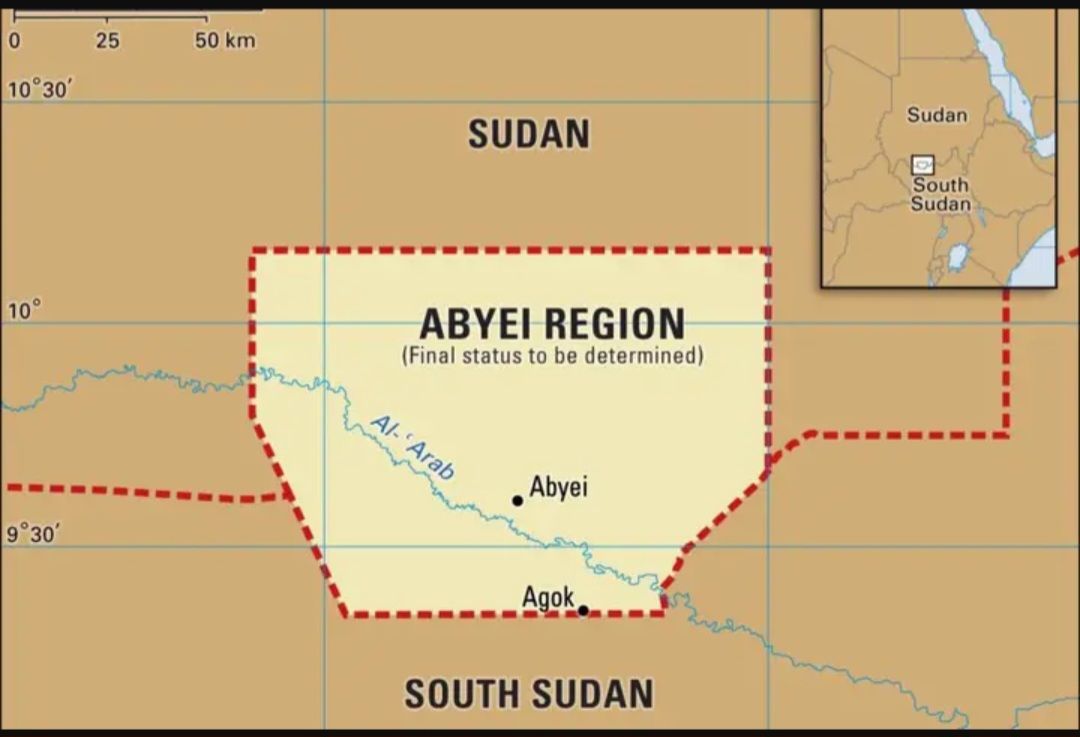
Reported: Al-Naeim Mubarak Kuol
The administration of Abyei Administrative Area has requested the South Sudanese government to increase its efforts to resolve tribal conflicts and recognize the popular referendum conducted in 2013.
In a speech at the 8th Governors’ Forum of South Sudan, Deng Arop Mading, Deputy Chief Administrator of Abyei, said, “We need support for the referendum conducted by the Abyei communities on October 31, 2013.”
Mr. Deng urged the South Sudanese government to follow the recommendations of the Council of States regarding the Ngok Dinka and Twic conflict.
He also stated, “We request the South Sudanese government to exert pressure on the United Nations Security Council to appoint a civilian head of mission for UNISFA.”
In March 2020, the National Dialogue Steering Committee adopted a resolution urging both Sudan and South Sudan to recognize the outcomes of the Abyei referendum.
President Salva Kiir appointed Deng Alor as the Chief Administrator of Abyei in 2019.
The administrative government in the disputed Abyei area is currently calling on both the South Sudanese and Sudanese governments to endorse the results of the October 2013 referendum, in which 99% of the Ngok Dinka voted to join South Sudan.
Although South Sudan considers Abyei one of its three administrative areas, the region has remained disputed between Sudan and South Sudan since 2011, when South Sudan seceded following 21 years of civil war.
Abyei is the traditional homeland of the Ngok Dinka, but herders associated with the northern nomadic Arab Misseriya tribe seasonally migrate to Abyei with their cattle in search of water and pasture during the dry season and to trade goods, claiming rights to the area.
After the first Sudanese civil war ended in 1972, the Addis Ababa Agreement promised the residents of Abyei the right to hold a referendum to determine whether they would remain part of northern Sudan or join the newly formed southern region.
However, in 1983, Sudan plunged into another civil war after President Jaafar Nimeiri refused to implement the agreement and allow Abyei to hold its referendum.
The war ended with the signing of the Comprehensive Peace Agreement (CPA) in 2005, which included the Abyei Protocol, stipulating that the region would remain under special administrative status.A referendum was planned to determine the status of the region and allow its residents to vote on whether Abyei would become part of Sudan or South Sudan, but it was never held.
In October 2013, the Ngok Dinka conducted their own referendum, in which the population overwhelmingly voted for Abyei to join South Sudan.
However, the result was not recognized by either Sudan or South Sudan.