Admin
Admin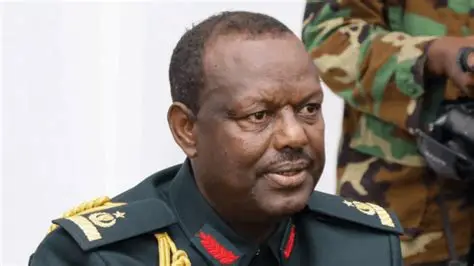
By Emmanuel Garjiek
Juba, 25 March 2026 – The Chairperson of the Ceasefire and Transitional Security Arrangements Monitoring and Verification Mechanism (CTSAMVM), Maj. Gen. Teshome Anagawe Ayana, has raised alarm over worsening security conditions in South Sudan, warning that the 2018 Revitalized Agreement on the Resolution of the Conflict (R-ARCSS) remains in “real danger.”
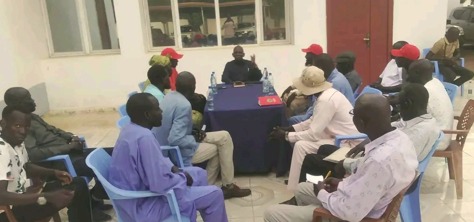
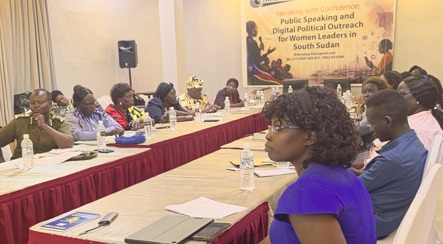
Speaking at the second CTSAMVM Technical Committee meeting of the year, held at Beijing Juba Hotel, Ayana condemned recent violent incidents, including the 1 March attack in Abiemnhom, Ruweng Administrative Area, which left numerous civilians dead, homes destroyed, and thousands displaced. He stressed that “only the signatory parties can stop the violence” and urged them to recommit to peace.
The Chairperson also highlighted heavy clashes in Jonglei State, where SSPDF forces attempted to retake Akobo from SPLM/A-IO earlier this month, triggering mass displacement of up to 200,000 people towards Ethiopia. He criticized territorial battles as “not the way to resolve conflict” and called for adherence to peaceful mechanisms outlined in the agreement.
Ayana further expressed concern over the 6 March Memorandum of Understanding between SPLM/A-IO and NAS, which he said contravenes the peace deal by fostering military alliances.
Operationally, CTSAMVM continues to face challenges. Financial constraints forced the closure of three Monitoring and Verification Teams (MVTs) in January, leaving only Juba, Malakal, and Wau operational. Additionally, movement restrictions by SSPDF soldiers in Central Equatoria earlier this month were described as a breach of Article 2.1.10.6 of R-ARCSS, which guarantees unhindered access for verification missions.
Despite these setbacks, CTSAMVM has engaged in International Women’s Day commemorations, strengthened collaboration with civil society organizations to address gender-based violations, and sought donor support to sustain its monitoring activities.
Five violation reports are on the agenda for discussion at the meeting, covering incidents in Western Equatoria, Morobo County, and the Greater Upper Nile Region.
Maj. Gen. Ayana concluded by urging all stakeholders to “exercise maximum restraint, prioritize the interests of the South Sudanese people, and work collectively with regional and international partners to preserve the gains achieved so far and prevent a return to widespread conflict.”



 Arop
Arop