Arop
Arop
Report by: Alnaeim Mubarak Koul
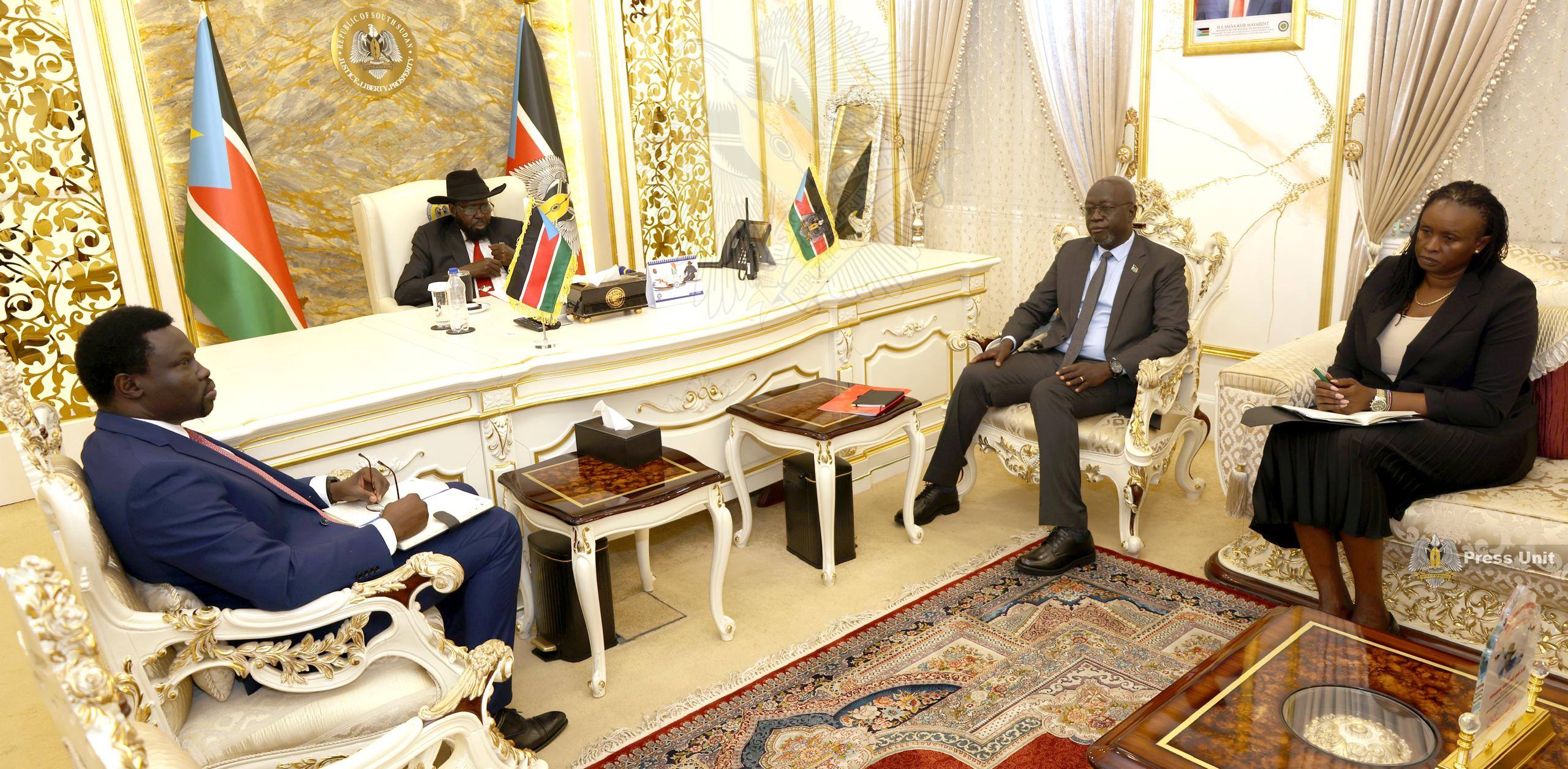
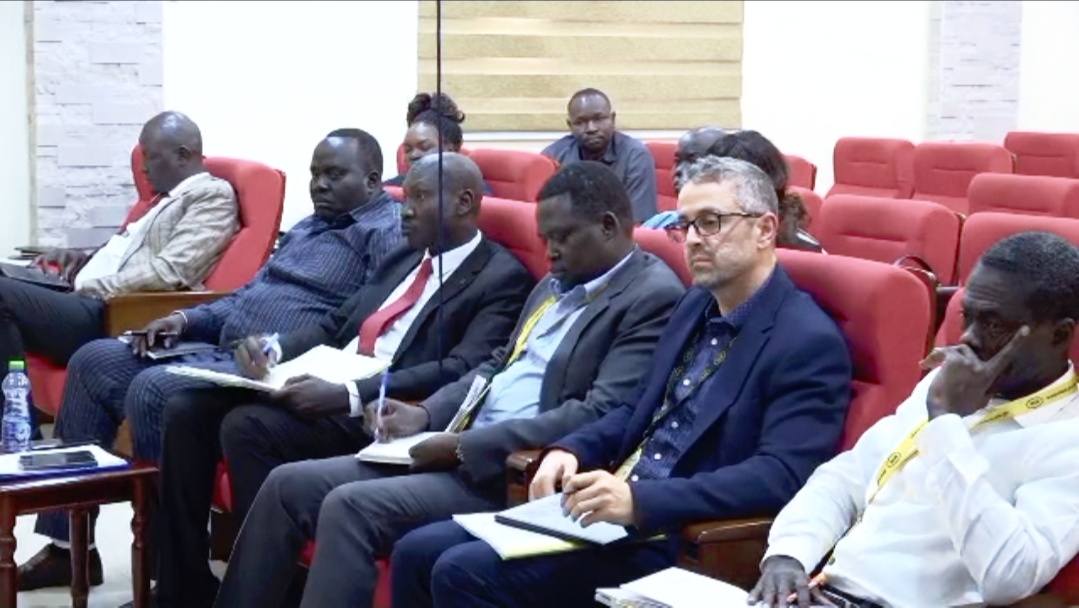
The Commissioner General of the South Sudan Revenue Authority (SSRA), Simon Akuei Deng, recently held an important meeting with senior management and partners to discuss tax exemptions.
The meeting focused on discussions regarding tax exemptions from customs duties and other forms of fiscal relief granted to South Sudan’s government partners in development. The purpose of these discussions was to clarify which items and entities qualify for exemptions, ensuring transparency and proper implementation of exemption policies that benefit and support development in South Sudan.
Customs exemptions are mechanisms that allow certain individuals or entities to receive a reduction or full exemption from customs duties imposed on imported or exported goods and consumer materials. These exemptions aim to stimulate the economy, support specific sectors, or facilitate international trade, and are usually granted as part of specific economic or trade policies.
Customs exemptions include
- Tax exemptions: These include customs duties imposed on goods imported for a specific purpose, such as machinery and equipment needed for industrial sectors or development projects.
- Exemptions for individuals or entities: These exemptions are granted to certain government or private institutions, associations, or international organizations that carry out developmental or humanitarian projects.
- Exemptions on specific goods: These exemptions allow certain items, such as medicines or essential foodstuffs, to be imported without paying customs duties, in order to support public health or secure basic needs.
The benefits of these exemptions are clear. They help stimulate the national economy by attracting foreign investment and creating a conducive environment for establishing businesses and industries. Additionally, they support vital sectors such as health, education, and agriculture, contributing to the provision of essential goods and services at lower prices. Exemptions also enhance international trade relations by facilitating trade between countries and international organizations.
However, there are challenges that could arise from these customs exemptions. One challenge is misuse, as exemptions may be subject to manipulation or exploitation by individuals or entities that do not qualify for them. Another challenge is revenue loss, as customs exemptions could lead to reduced government revenue, which may require compensatory measures from other sources.
During the meeting, the issue of transparency and proper implementation was also addressed. It is essential to establish clear criteria for the institutions or individuals eligible for customs exemptions. By ensuring transparency in the application of these policies, the concerned authorities can prevent abuses or exploitation of the system.
In conclusion, customs exemptions are a crucial economic tool that helps stimulate economic growth and achieve certain social and developmental goals. However, their implementation requires careful planning and clarity to ensure that the targeted groups benefit, and to prevent manipulation or misuse.


 Admin
Admin