Admin
Admin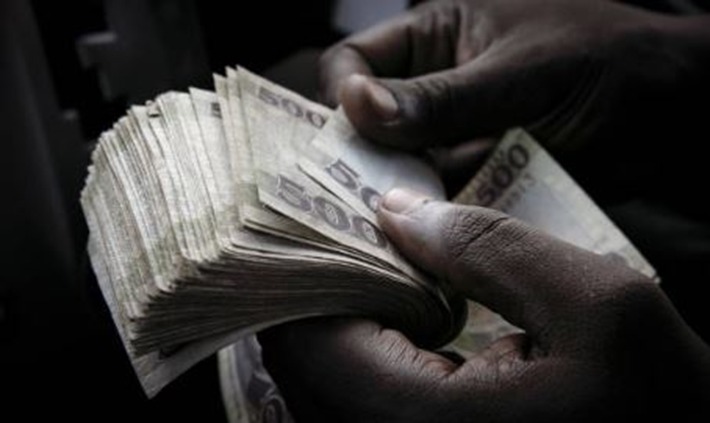
By .Emmanuel M Garjiek
South Sudan’s Ministry of Finance stated on Monday that it has begun paying one-month wage arrears to government staff and organized forces who have gone unpaid for nearly a year.
The finance ministry’s director of communication, Tek Stephen Ogut, acknowledged the start of payments, saying: “The salary payment has started today [Monday] and it is a one-month payment.”
President Salva Kiir Mayardit issued a directive last week asking the Ministry of Finance and the economic team to prioritize clearing wage arrears owing to state employees as soon as possible .
In his speech, Kiir acknowledged the need of overcoming the country’s economic issues.
“We must correct the current anomalies in the economic sector to alleviate the suffering of our people,” said the prime minister.
Salary delays have caused significant resentment among South Sudan’s governmental officials. Employees around the country have voiced dissatisfaction with the prolonged delay in receiving their pay. Several employees spoke about the difficulties they are experiencing as a result of the delayed paychecks.
Peter Malek, a state employee in Warrap State’s Ministry of Education, spoke about the challenges he has experienced in sustaining his family during the wage drought.
“One year has gone without a salary. He regretted that last year’s December wage was not paid, and now he has been without money for exactly 12 months.
He went on to say that as Christmas approached, he would be unable to care for his children or purchase festive clothing. “There will be no celebration for the feast of the year,” he informed the crowd.
Paulino Mathiang, another government employee, had similar worries.
“Life is difficult without a salary. The security sector has received some months ahead of us, and there is talk that one month has been released, but we have not received it.
The dramatic devaluation of the South Sudanese Pound has exacerbated the economic situation, with the black market exchange rate now at 5,000 SSP to the US dollar. This is worsened by a paucity of US dollars, aggravating the country’s economic problems. Furthermore, a crucial oil pipeline, important to South Sudan’s oil exports, was destroyed in Sudan during the prolonged battle, putting additional strain on the country’s finances.