Admin
Admin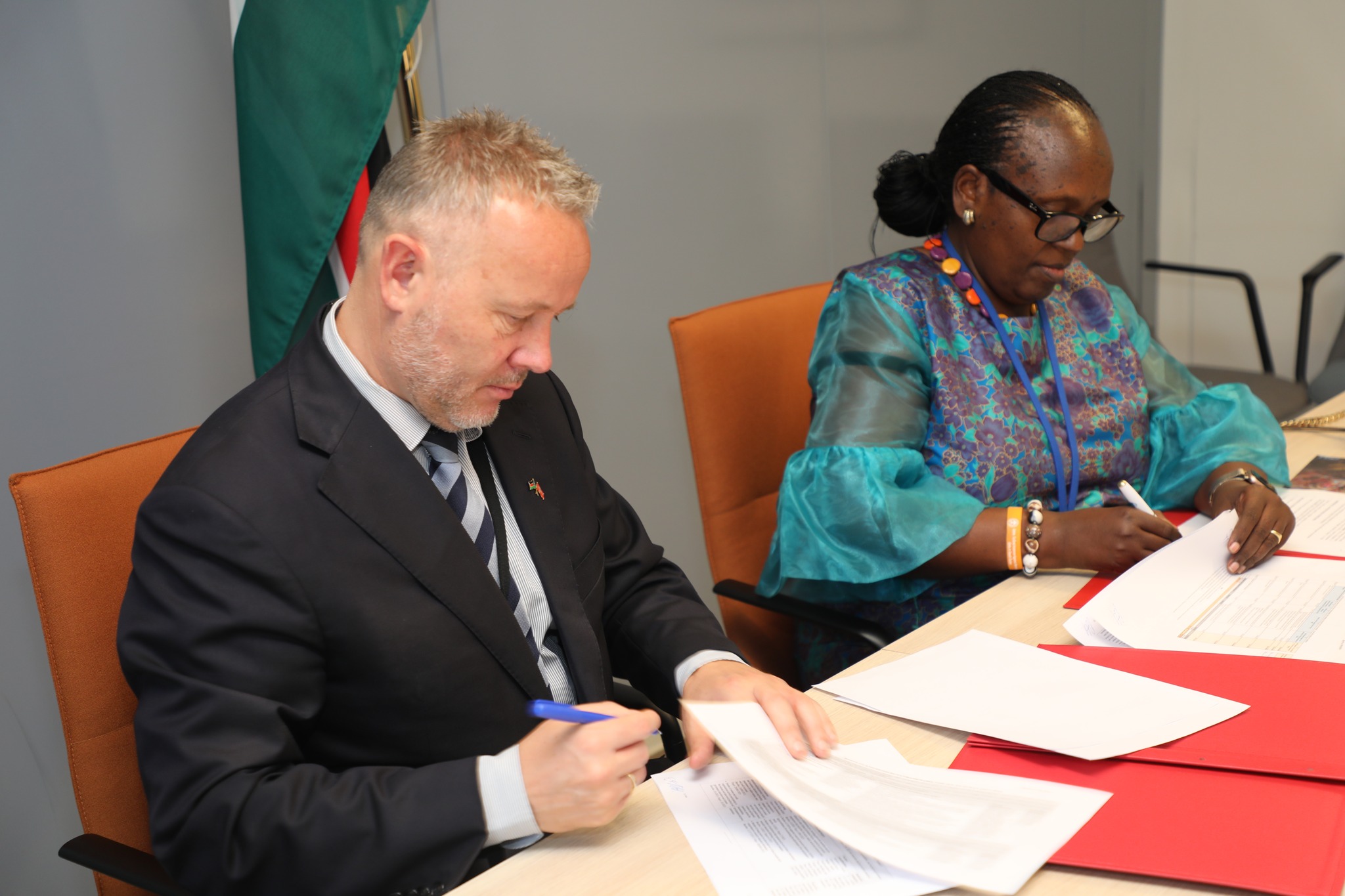
Report by: Al-Naeim Mubarak Kuol
The Kingdom of Norway has renewed its commitment to provide financial support to the United Nations Population Fund (UNFPA) in South Sudan for the prevention and management of obstetric fistula. A representative from Norway signed an agreement to donate 40 million Norwegian kroner to the fund, which will contribute to transforming the lives of women and girls affected by obstetric fistula, restoring hope, and ending their suffering.
Obstetric fistula is a painful medical condition that occurs when an abnormal hole or opening forms between the vagina and the bladder or rectum during childbirth. It is usually caused by complicated births, especially in areas suffering from inadequate healthcare. Obstetric fistula is a serious health problem that primarily affects women in developing countries.
Obstetric fistula occurs due to difficult births, such as obstructed labor or abnormal positioning of the fetus. Women who give birth frequently, especially at a young age or in cases of closely spaced pregnancies, are more susceptible to developing fistula due to the weakening of reproductive tissues caused by consecutive births.
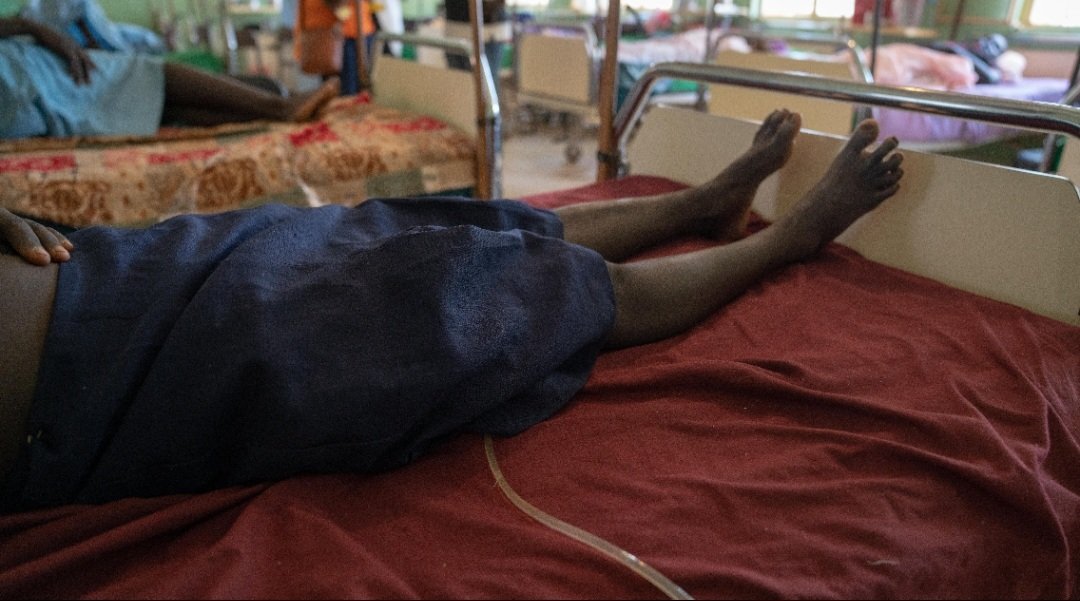
In areas lacking adequate medical care during pregnancy and childbirth, women often do not receive the necessary attention during labor. The lack of specialized doctors, absence of cesarean sections when needed, and the lack of well-equipped medical facilities all increase the likelihood of developing fistula.
Early marriage and childbirth at a young age are key factors in the incidence of fistula, as young girls may not have the physical strength to cope with the demands of childbirth.
Some of the most common symptoms include involuntary leakage of urine or feces from the vagina due to the opening between the vagina and the bladder or rectum. Women with fistula suffer from severe pelvic pain, which may be accompanied by infections. The leakage of urine or feces can lead to the accumulation of foul odors, resulting in significant psychological and social distress. Fistula may also lead to sexual disability due to damage to reproductive organs.
Women suffering from obstetric fistula face significant psychological and social challenges. In many cases, women feel socially isolated because of the foul odor and the health problems associated with fistula. These conditions often lead to divorce or rejection by their families and communities.
Providing professional medical care during pregnancy and childbirth is one of the most important preventive measures for fistula. Women should be encouraged to seek medical care at health facilities equipped with trained personnel, such as doctors and midwives.
Awareness campaigns aimed at disseminating knowledge about fistula, its causes, and prevention methods can help reduce the number of cases. Education about the health consequences of early childbirth and early marriage is among the most important solutions.
Surgical treatment is the main solution for obstetric fistula. In most cases, the surgical hole between the vagina and the bladder or rectum can be repaired, restoring the woman’s ability to live a normal life. Surgery requires specialized medical skills and professional resources.
In addition to medical treatment, it is important to provide psychological and social support to women affected by fistula. This can include counseling, help in reintegrating the woman into society, and providing social support to the family.
Efforts to reduce early marriage through laws and awareness policies play a major role in reducing the risks associated with early pregnancies and births that can lead to fistula.
Obstetric fistula is a serious health issue that affects the lives of many women in developing countries. By improving healthcare, providing psychological and social support, and increasing awareness about prevention and treatment, we can reduce the spread of this tragic condition. The commitment of the international community and local governments to achieve these goals can contribute to changing the lives of women affected by fistula and give them hope for a better life free from suffering.
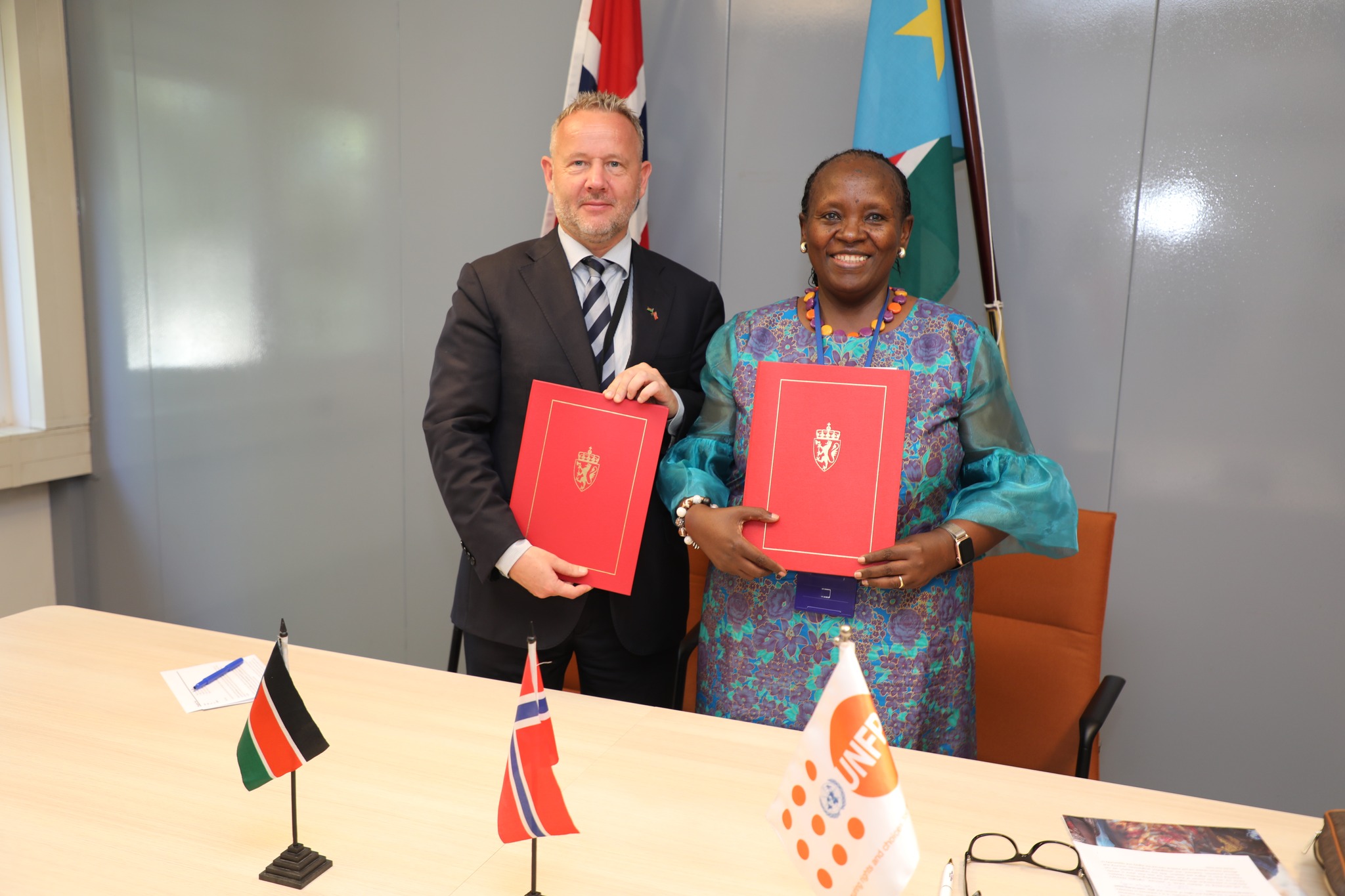
With this financial support, Norway is making a significant contribution through this long-term strategic partnership with UNFPA in South Sudan.