Admin
Admin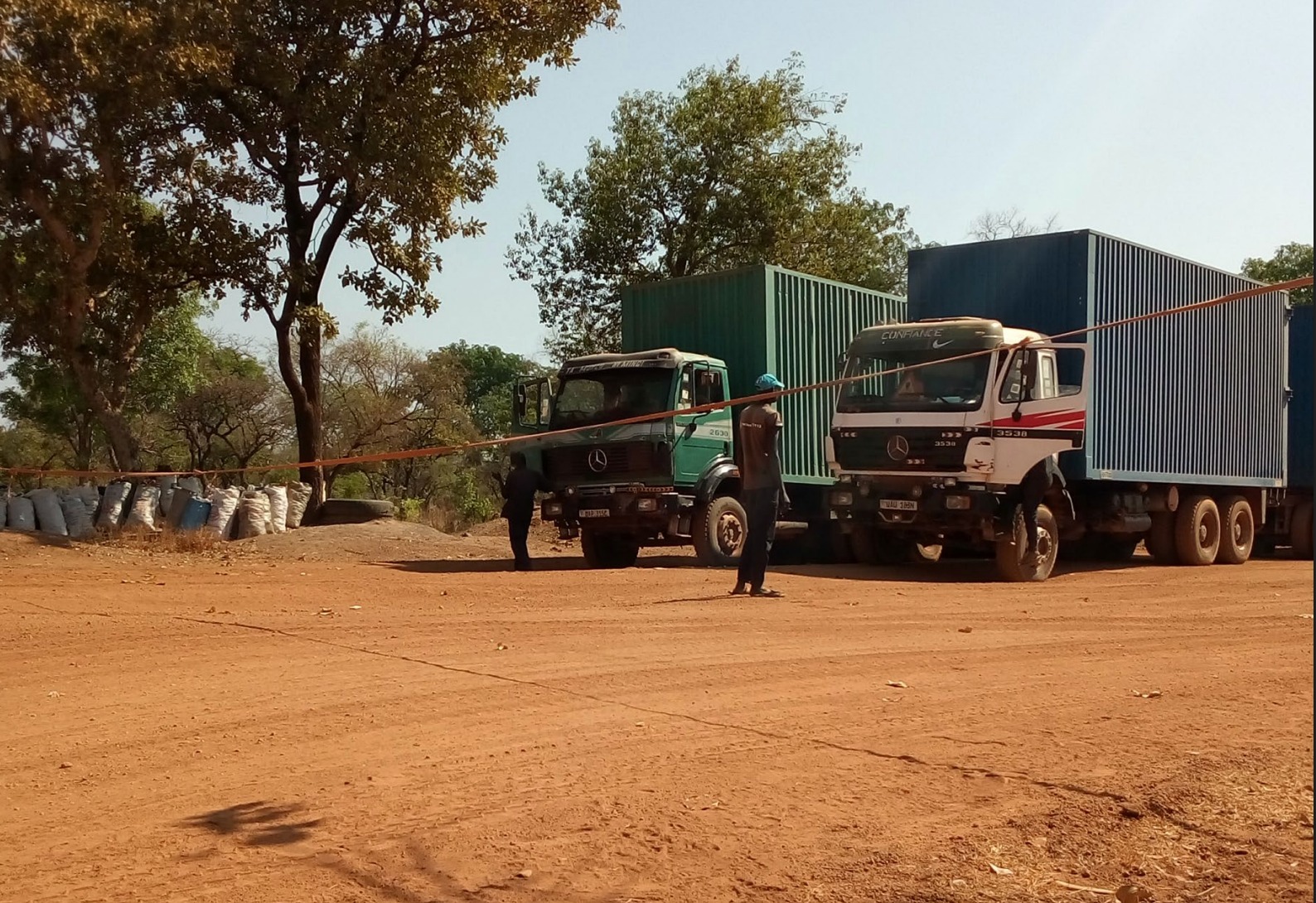
Juba – Alwadi Newspaper
An economic analyst has warned about the growing consequences of illegal checkpoints along major roads in South Sudan, saying they have become a direct threat to the national economy, trade movement, and the country’s reputation.
The Nimule–Juba Road, considered the country’s main supply corridor, has witnessed a significant increase in checkpoints over recent years. The number reportedly rose from about 12 checkpoints between 2005 and 2011 to more than 70 by March 2026, despite repeated government directives ordering their removal.
In December 2024, President Gen. Salva Kiir Mayardit issued an order for the removal of all illegal checkpoints. South Sudan People’s Defense Forces also intensified operations in January 2025 to curb the practice, but reports indicate that roadblocks continue to spread along the route.
Economic analyst Dr. Chadrack Maper said the security reasons that previously justified the establishment of checkpoints are no longer valid in the same way, noting that their continued existence reflects deeper governance and security challenges.
Maper explained that the illegal roadblocks have caused major economic losses after truck drivers staged several strikes in protest against imposed fees and illegal taxation, resulting in transport disruptions and rising market prices.
He added that poor conditions and inadequate support for security personnel have contributed to the spread of illegal collections, urging the government to improve the welfare of security forces and strengthen monitoring and accountability measures.
Maper also stressed that the continued practice damages South Sudan’s image among neighboring countries and regional partners, while undermining investor confidence and commercial transport activities.
Analysts say addressing the issue requires fundamental reforms in the security and governance sectors, alongside strict enforcement of government directives, in order to ensure the smooth flow of trade and restore economic stability.






 Arop
Arop